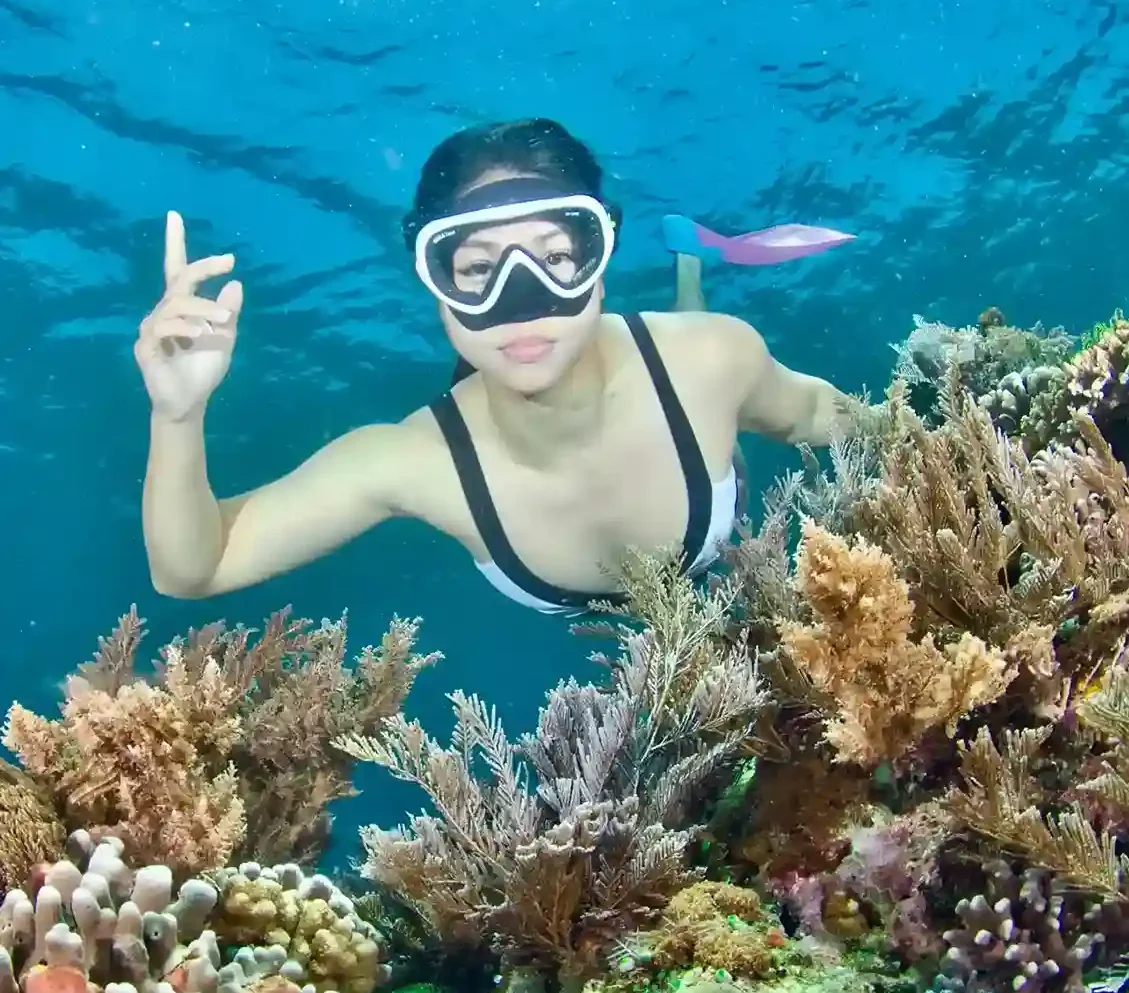
Komodo Snorkeling Guide: Manta Point to Batu Bolong

The best snorkeling on a Komodo escape: Manta Point (Karang Makassar) for reef mantas, Taka Makassar’s sandbar shallows, Batu Bolong’s fish-dense pinnacle at slack tide, Pink Beach’s house reef for easy terraced coral, and the garden reefs of Kanawa and Sebayur. Park snorkeling fees apply per day; dry-season visibility regularly exceeds 20 meters.

Komodo National Park gets filed under “dragons” in most travel plans, and then the snorkeling quietly steals the trip. The reason is oceanographic: the park sits in a throat of water between the Flores Sea and the Indian Ocean, and the tidal currents that pump through it feed some of the densest, healthiest reef systems left in Indonesia. The same currents demand respect. This guide ranks the main sites by what they offer and what they ask of you.

Manta Point (Karang Makassar)

The headline act. A kilometers-long rubble channel where reef manta rays — wingspans of three to four meters — gather at cleaning stations and feed in the current lines. You snorkel it as a drift: the boat drops you up-current, you float with it, the boat collects you. On a good day you will pass over multiple mantas without kicking once.

Season: sightings happen year-round; the dense aggregations peak roughly December through February, when plankton blooms thicken the water and trade visibility for numbers. Skill level: moderate — the current does the work, but you need to be calm in moving water and disciplined about staying near your group. Reputable crews brief properly and post a spotter. Never chase or touch; let the animals set the distance.

Taka Makassar

The white sandbar beside Manta Point, ringed by a shallow apron of coral heads in two to four meters of water. As easy as park snorkeling gets — no current to speak of inside the lagoon line, fine for children — with turtles grazing the seagrass patches and the occasional juvenile reef shark in the shallows. Most boats pair it with Manta Point as a single block of the afternoon, as described in the route guide.

Batu Bolong

A pinnacle the size of a house that breaks the surface in mid-channel, with reef walls dropping away on all sides. Per square meter, this is the fishiest site in the park: anthias in clouds, fusilier schools, trevally hunting the edges, turtles on the ledges. It is also the site most governed by tides. At full current it is a divers-only washing machine; snorkelers get it at slack tide only, in the window your captain chooses. If the crew says no to Batu Bolong today, that is competence, not laziness — there is no second prize for swimming it in the wrong conditions.

Pink Beach house reef

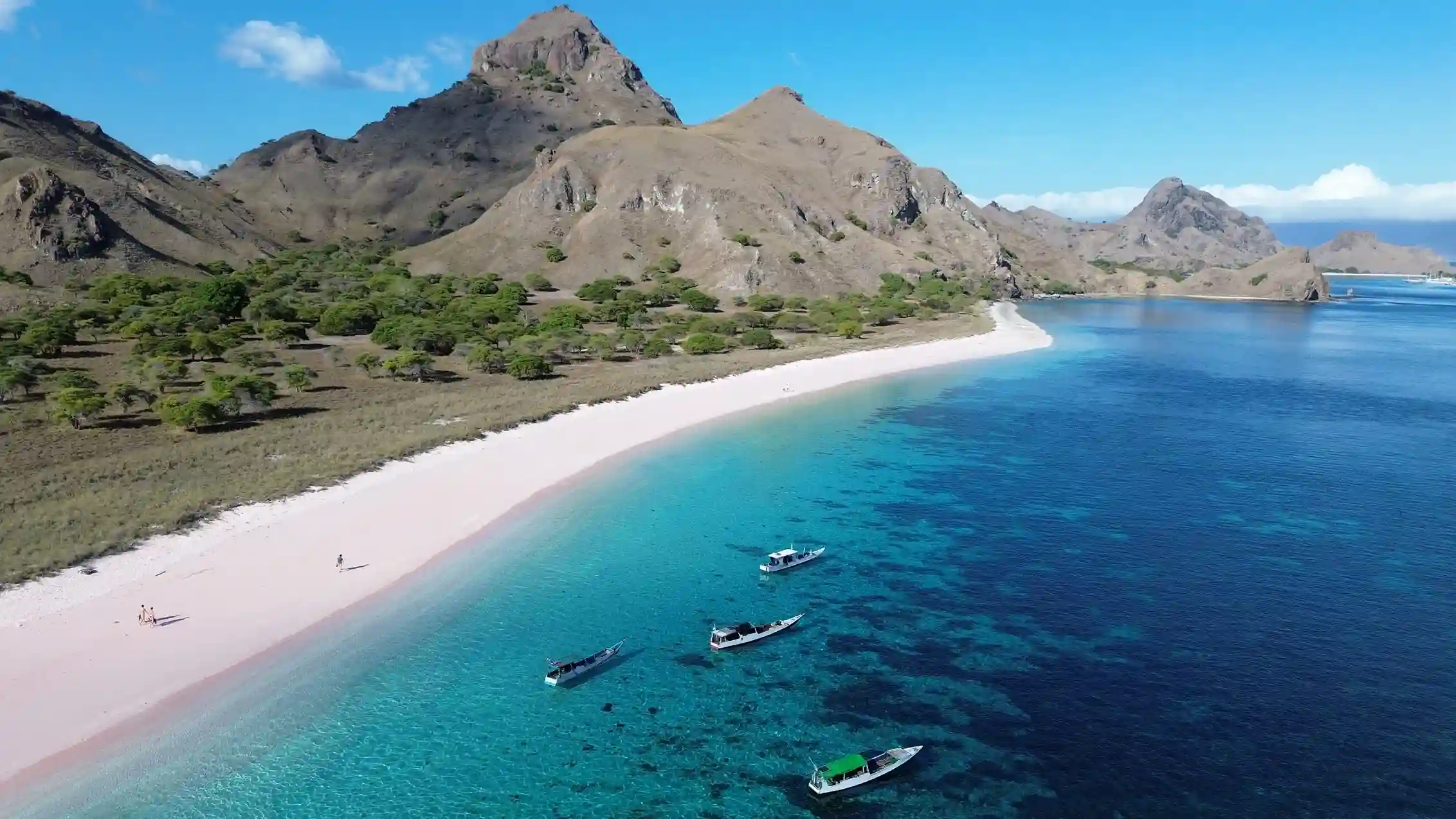
The gentlest of the marquee sites: terraced hard coral starting thirty meters off the famous sand, sloping to about twelve meters, with light current and easy entries from the beach. This is where nervous snorkelers find their confidence on day one. Details and timing are in the Pink Beach guide.

Kanawa and Sebayur

Just outside the park’s core, these two islands carry broad coral gardens in their lee — the classic end-of-day stops. Kanawa’s jetty reef is a nursery: dense staghorn fields, clownfish stations every few meters, reliable turtles. Sebayur’s slope suits swimmers who want a longer, lazier line of reef. Visibility here in the dry season is routinely twenty meters plus.

Fees, gear, and the boat question

Snorkeling inside the park carries its own daily fee on top of entry — the fees and permits guide has the line items. Shared boats include masks and fins of wildly variable quality; if your face is hard to fit or you wear prescription lenses, bring your own mask. A rash guard beats sunscreen for a day of repeated swims, and a simple float vest is worth requesting for weaker swimmers — good operators carry them without fuss.

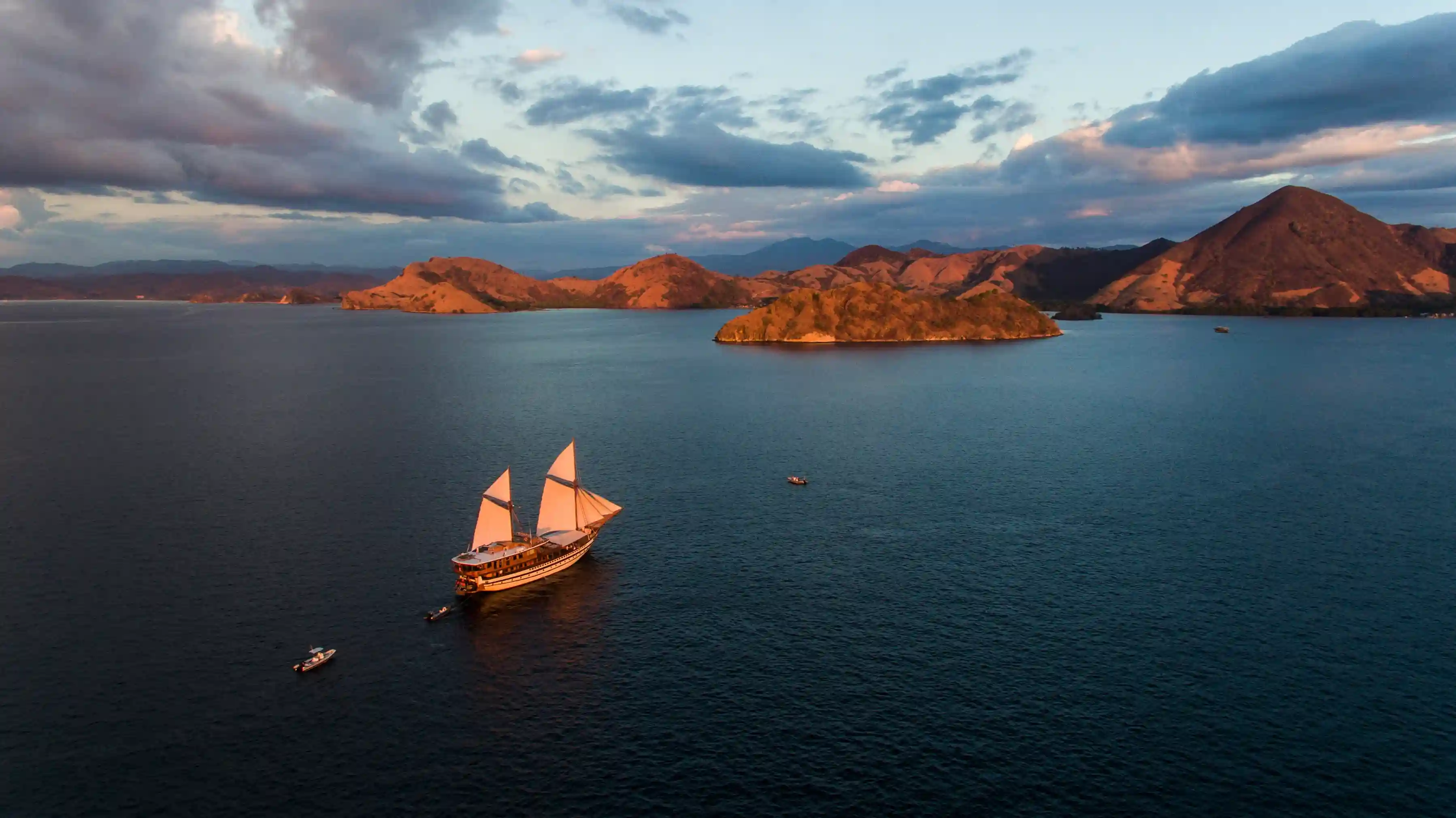
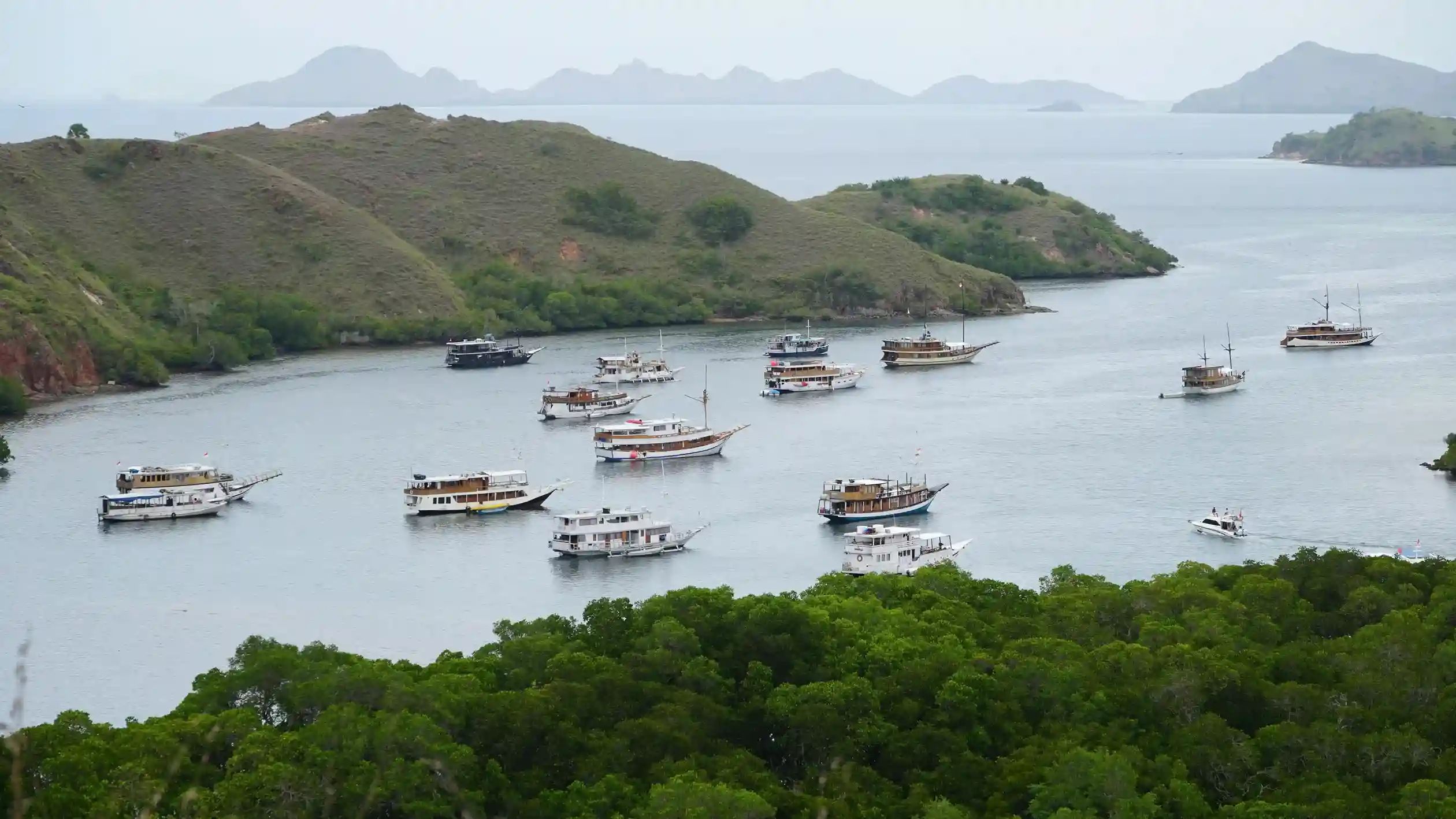
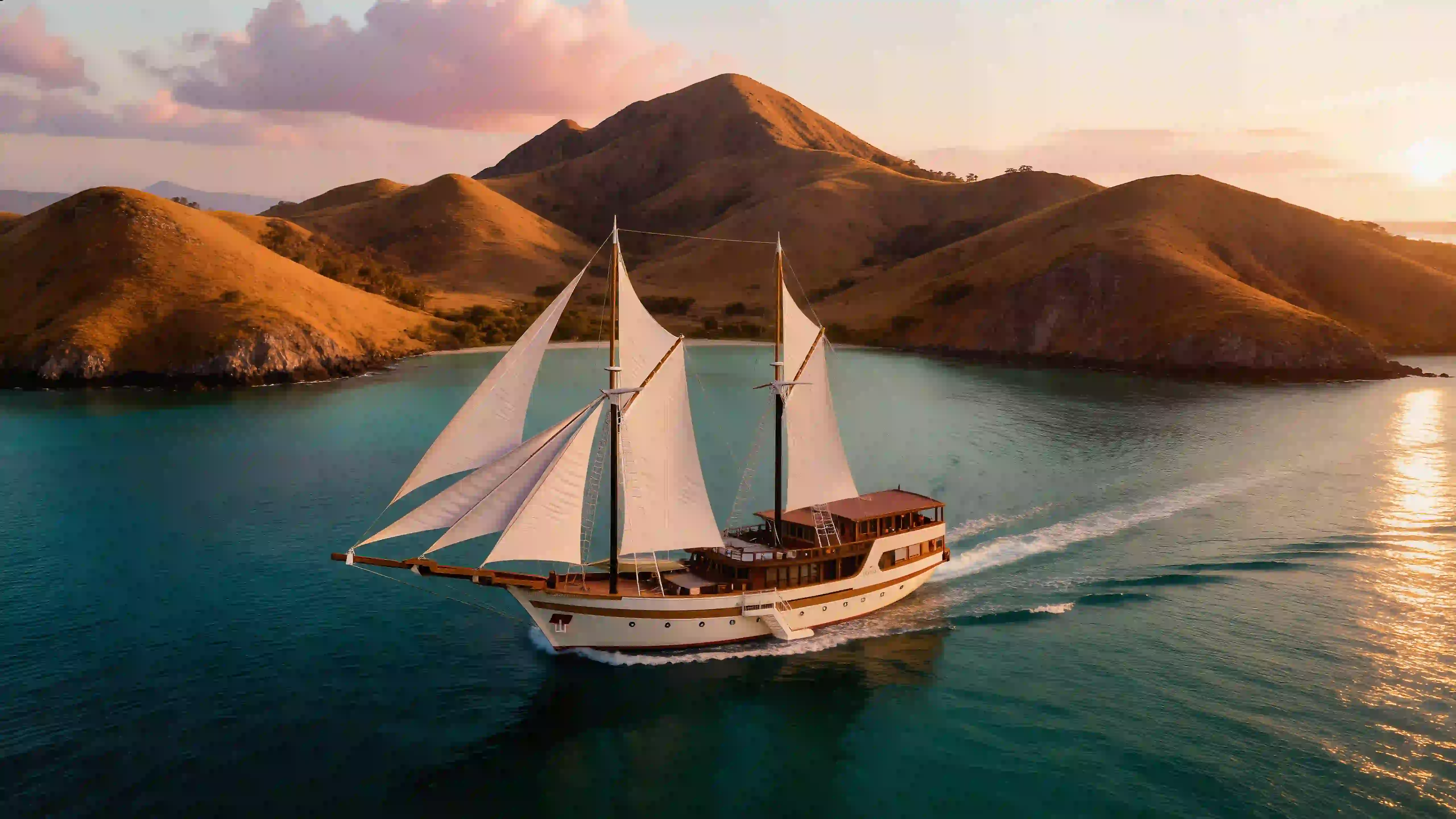
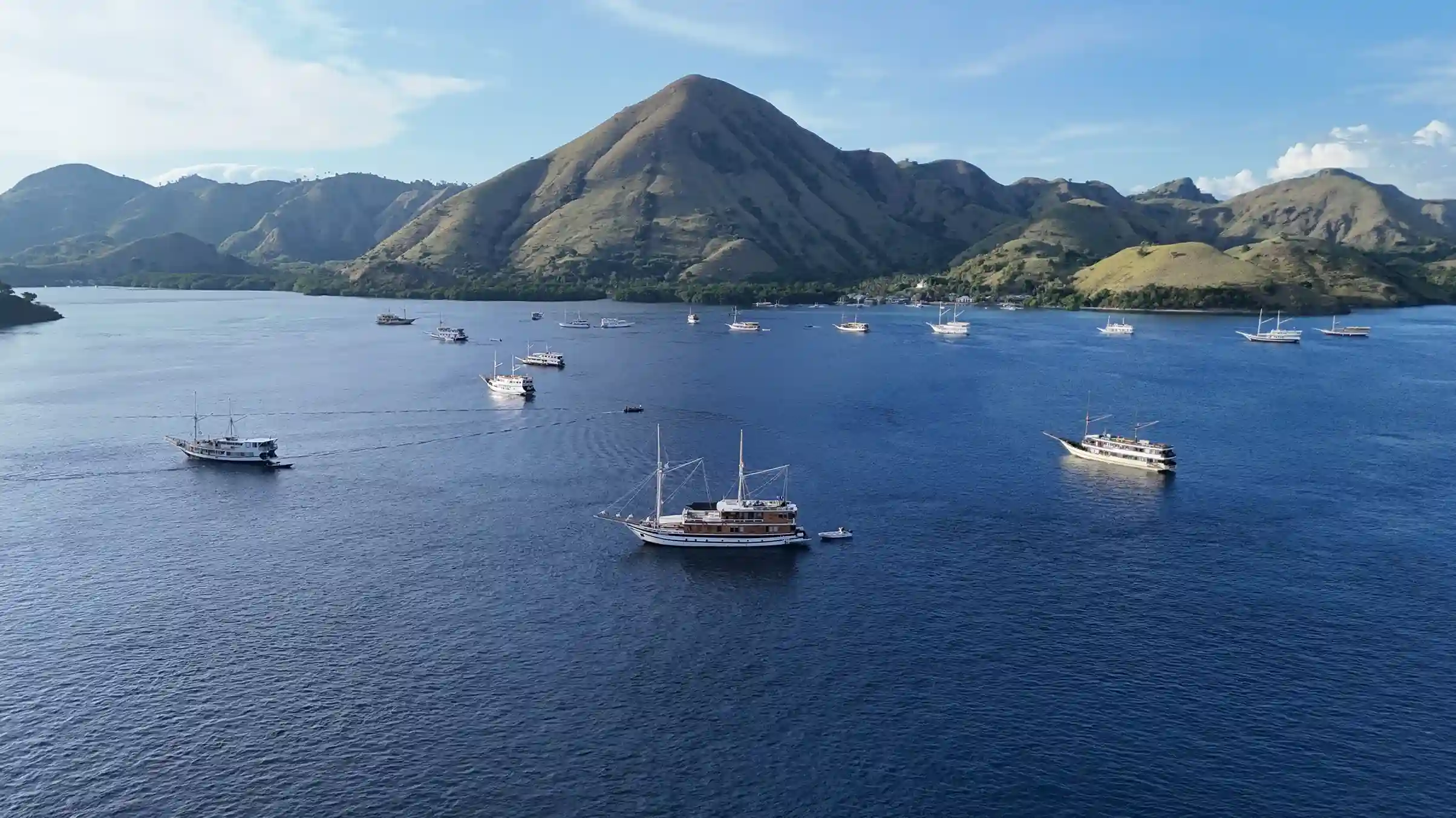
Whether you see these sites from a day boat or an overnight phinisi changes the experience more than any gear choice. Cruises hit Manta Point at 7am before the day fleet arrives, and morning water is calmer and clearer. The trade-offs are laid out in the day trips vs cruises comparison.

Conditions and seasons in one paragraph

April through November is the dry season: settled seas, visibility at its best, water around 26–28°C. December through February brings plankton, mantas in numbers, and reduced visibility — a trade many travelers happily make. January and February can also bring real swell that cancels outer sites. South-park water runs colder than the north year-round, a fact that surprises people mid-swim. The month-by-month picture is in the best-time guide.

Reef etiquette that rangers actually enforce

  • No standing on coral, ever — fin carefully in the shallows at Taka Makassar
  • No touching or chasing mantas and turtles; five meters is the working rule
  • Reef-safe sunscreen or covered skin inside the park
  • Nothing comes home with you: no shells, no coral fragments, no sand

Plan two full water days if snorkeling is a priority of your Komodo escape — one for the Manta Point block, one for the pinnacle-and-gardens circuit — and the park will outperform destinations twice as famous for what lives under their surface.

Building a two-day snorkeling plan

If the water is the point of your trip, structure it deliberately. Day one: the classic loop with the Manta Point block in the afternoon — it doubles as orientation, and you will learn how your group handles current. Day two: a boat willing to run Batu Bolong at the morning slack, then Siaba Bay’s turtle seagrass and a long unhurried session at Sebayur’s garden. That second day is hard to buy off the shelf; it usually means a private charter or a small-group operator who plans around tide tables rather than a fixed brochure route, which is exactly the kind of request to make explicit when booking. Divers should note the park’s dive fee structure differs from snorkeling and that the famous current sites — Castle Rock, Crystal Rock, The Cauldron — are dive territory, not snorkel territory, whatever an optimistic listing claims. Snorkelers get their own first-division sites; swimming the wrong ones is how rescue stories start. Match ambition to conditions, let the captain veto, and the park’s water will fill two days without repeating itself once.

💬