Pink Beach Komodo: The Complete Guide

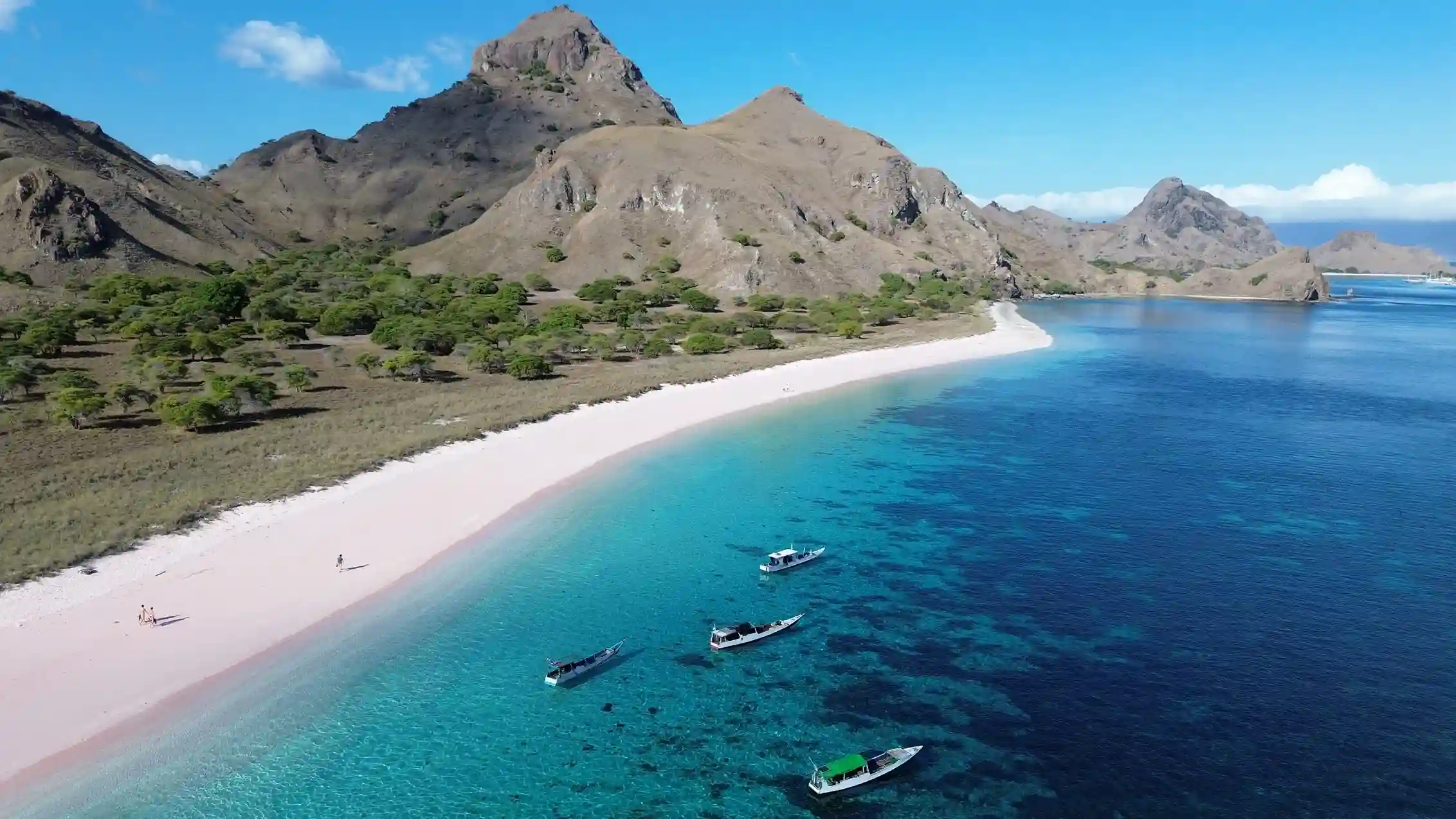
Pink Beach (Pantai Merah) on Komodo Island gets its color from crushed fragments of red Homotrema rubrum, a tiny reef organism, mixed through the white sand. The blush is strongest at the waterline in soft morning or late-afternoon light. It is a standard stop on most Komodo escape itineraries, with good snorkeling directly off the beach.

Of the handful of pink-sand beaches on the planet, the one inside Komodo National Park is probably the most photographed and the most argued about. Half the arguments are about the color itself — is it really pink? — and half are about whether the stop deserves its place on a day already packed with dragons, viewpoints, and manta rays. Both arguments have honest answers, and they depend almost entirely on light and timing.

Why the sand is pink

The color comes from Homotrema rubrum, a small organism with a hard red skeleton that grows on the undersides of coral and reef rubble. Waves grind those skeletons into fine red particles, which mix with white coral sand in a ratio high enough here to tint the whole beach. The effect is strongest in the wet band where waves have just receded — wet sand saturates the color — and softest up by the dry tide line.

This is why two people can visit the same beach and post photographs that look like different places. Harsh overhead light at noon washes the tint toward beige. Morning and late-afternoon light, with a little moisture in the sand, brings up a rose color that needs no editing.

Where it is and how you get there

Pink Beach sits on the eastern side of Komodo Island, a short hop from the Loh Liang ranger station where the dragon treks start. Nearly every operator pairs the two: dragons first, then twenty minutes by boat to the beach for a swim and lunch. There is no jetty. Boats anchor off and either nose onto the sand or drop you into waist-deep water, so keep electronics in a dry bag for the landing.

The beach is inside the park, covered by your daily entry ticket. No extra fee applies beyond the snorkeling fee if you get in the water, which almost everyone does. See the full fee breakdown for how that works.

The snorkeling is the underrated half

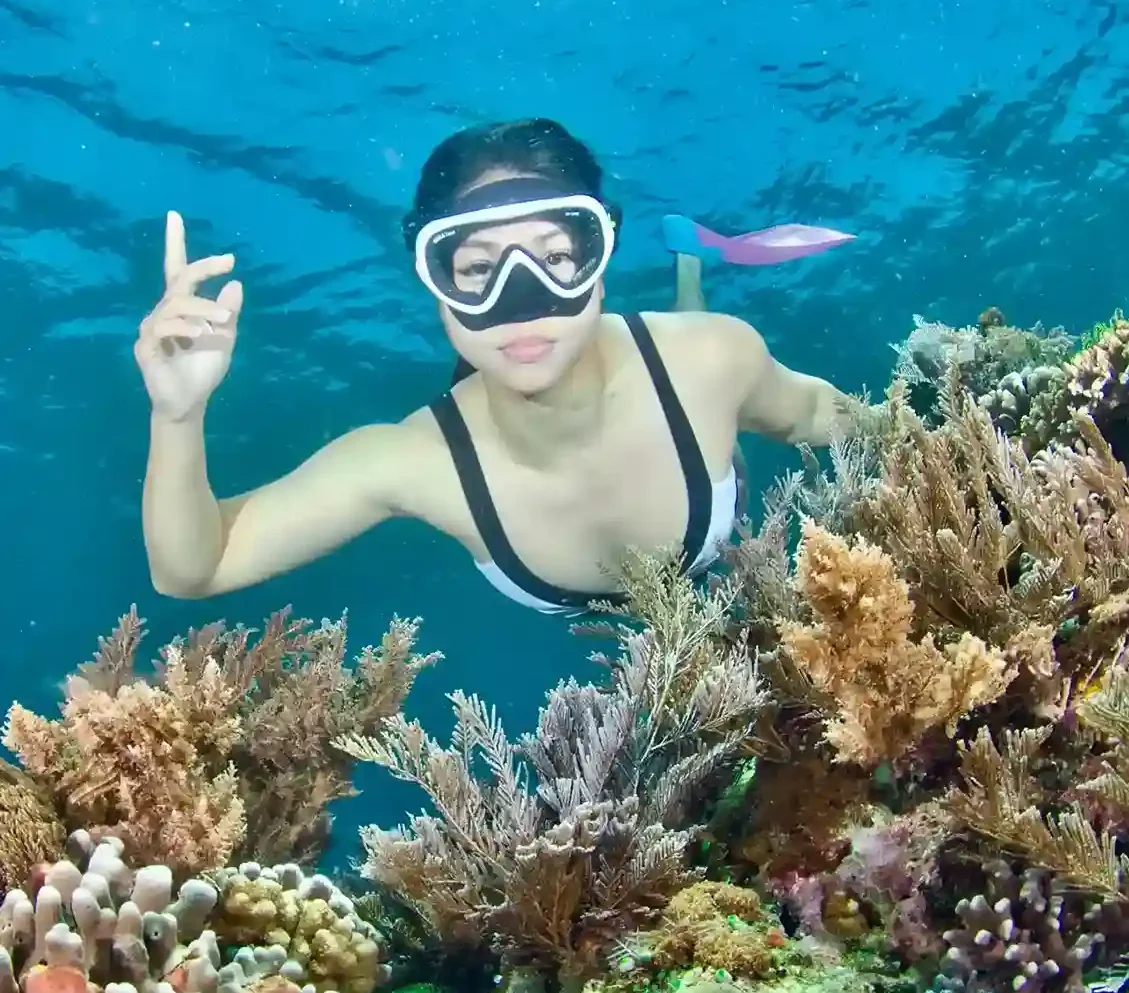
The reef starts thirty meters off the sand and slopes away in terraces of hard coral that have survived in better condition than at many easier-to-reach sites. Expect anthias clouds over the coral heads, parrotfish, the occasional turtle, and visibility that regularly exceeds twenty meters in the dry season. Currents along this shore are gentler than at the park’s famous drift sites, which makes Pink Beach the best swim of the day for children and nervous snorkelers. Confident swimmers should drift toward the southern point, where the coral gets denser.

For the full underwater picture across the park, our snorkeling guide ranks the sites by ability level.

Timing your visit

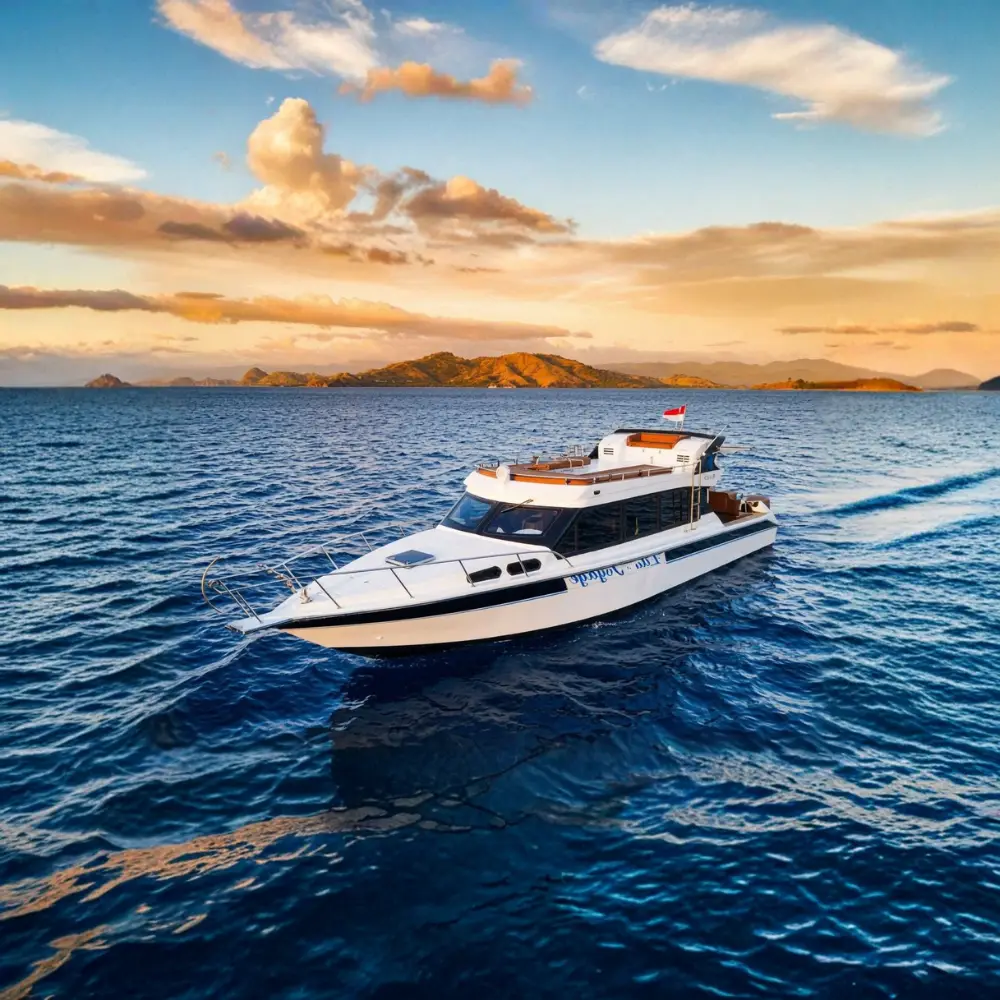
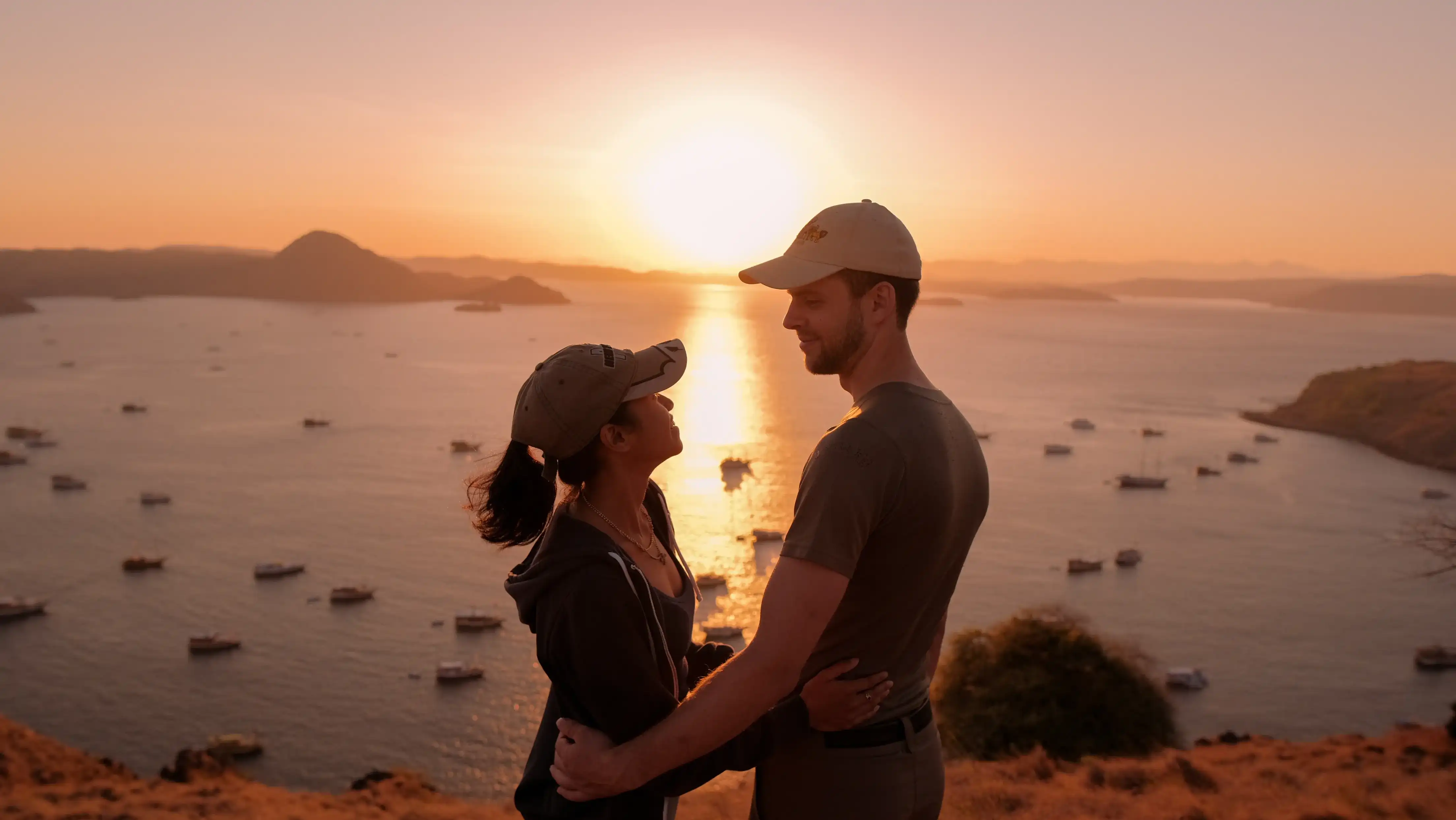
Most day-trip boats arrive between 11am and 1pm, which is convenient for lunch and unkind to the sand color. If the pink matters to you photographically, an overnight boat changes the equation: captains can anchor here for the last light of the afternoon, when the beach is empty and the tint is at its best. It is another entry in the long list of small advantages that cruises hold over day trips.

Seasonally, the beach works year-round. The dry months from April to November give you the reliable visibility for snorkeling; January and February can bring swell that stirs the shallows.

Rules worth respecting

  • Leave the sand where it is. Taking sand or rubble from the beach is prohibited and checked. The pink fraction does not replenish quickly.
  • No drone flights without a park permit arranged ahead of time.
  • Reef-safe sunscreen, or better, a rash guard — the reef here is shallow and close to swimmers.
  • Watch your footing on the rubble bank at the south end; it is sharp and loose.

Is it worth the stop?

Yes, with calibrated expectations. Visit at noon expecting a magenta postcard and you will leave calling it overrated. Arrive understanding that this is a quietly beautiful cove with a faint rose cast, water in three shades of blue, and a genuinely good reef within a short swim, and it earns its hour comfortably. On the standard loop it follows the dragon walk and precedes the afternoon water stops — the route guide shows the full sequence, and the packing guide covers what to have in your day bag.

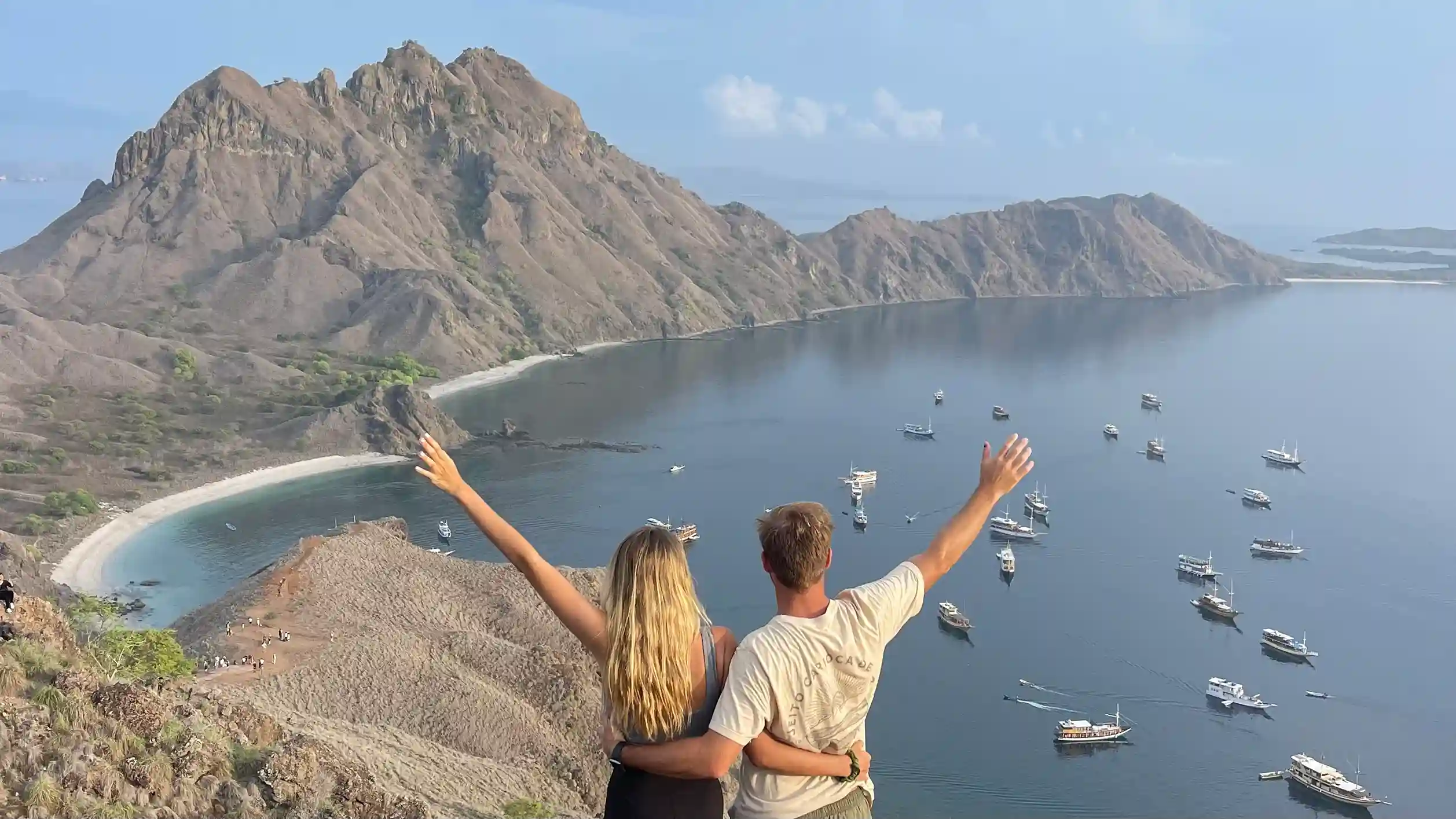
One practical footnote: there is a second, smaller pink-tinted beach near Padar that some operators substitute when the main beach is crowded. It is pleasant, the snorkeling is thinner. If the original matters to you, confirm which one your boat actually visits before you book your Komodo escape.

Pink Beach with children or non-swimmers

Families rate this stop highly for a reason: it is the rare park site where the headline attraction works from dry land. Toddlers dig in pink sand while confident swimmers work the reef line, and the sheltered curve of the bay keeps the shore break small through the dry season. Non-swimmers can wade the first ten meters of shallows over sand — no coral underfoot near the landing area — and still see fish in knee-deep water on a clear day. The two practical cautions are sun and footwear: shade is limited to whatever your boat rigs up, and the rubble bank at the southern end is genuinely sharp. Pack accordingly using the packing checklist.

It is also worth saying plainly what Pink Beach is not. There are no facilities — no warung, no toilets beyond the boat’s, no rentals. Everything you need for the hour comes ashore with you, and everything you brought goes back aboard, including every scrap of packaging. Rangers patrol this beach more actively than most of the park because the sand itself is the protected resource. Treat the hour as a swim in a place that functions because every boat follows the same rules, and it stays the version worth photographing for the next visitor on a Komodo escape.

💬