

The Role of Local Communities in Komodo’s Tourism Industry
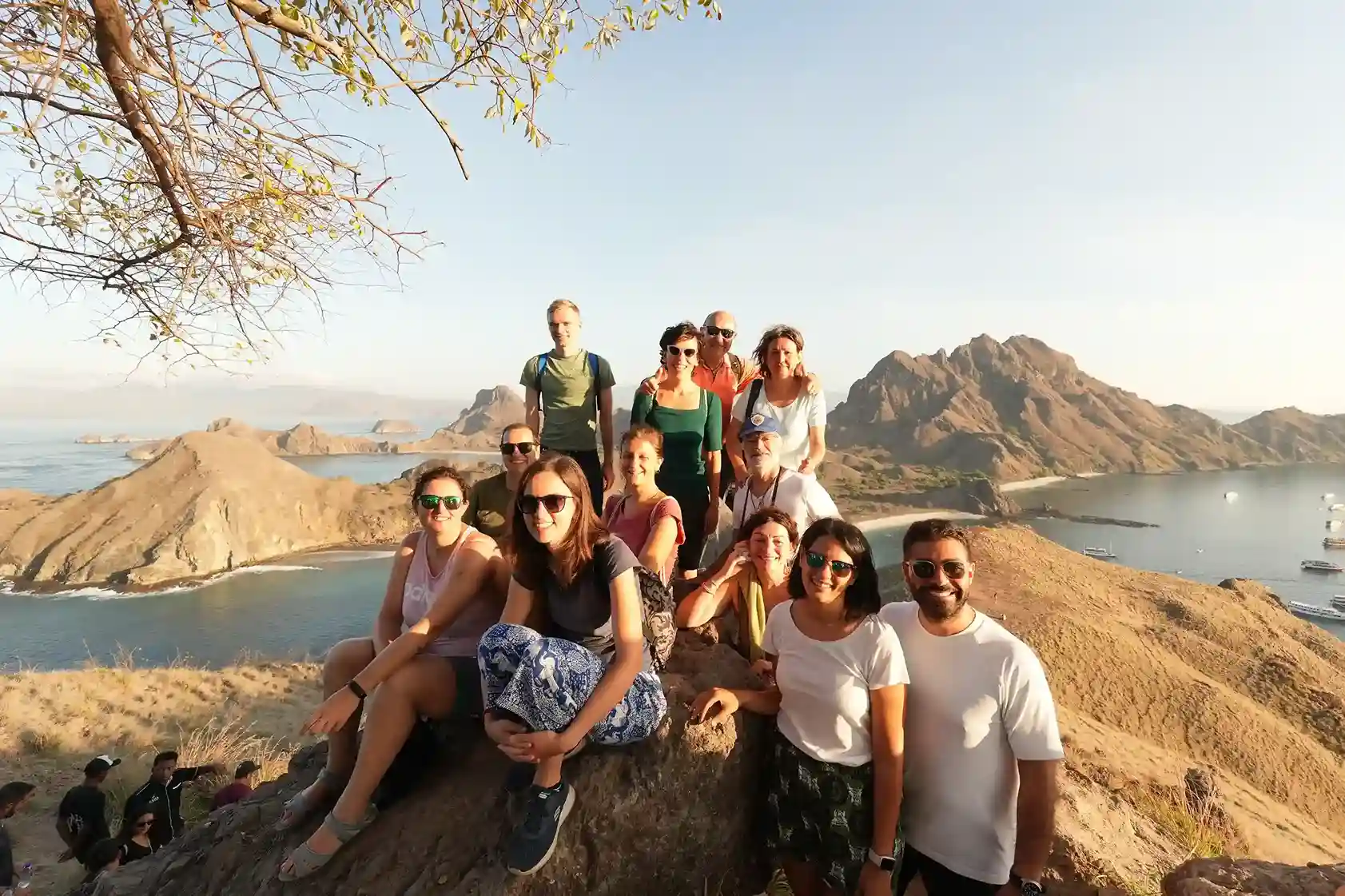
Local communities in Komodo play a pivotal role by engaging in sustainable tourism practices, offering authentic cultural experiences, and participating in conservation efforts, thus enhancing the region’s tourism industry.
Local Communities Komodo: A Vital Connection
The involvement of local communities in Komodo has proven to be a cornerstone of the region’s thriving tourism sector. These communities contribute significantly by providing unique cultural interactions, ensuring sustainable tourism practices, and actively participating in conservation efforts. This multifaceted engagement not only enriches the visitor experience but also aids in preserving the natural and cultural heritage of Komodo.
The island of Komodo, part of the Lesser Sunda chain in Indonesia, is renowned for its diverse ecosystems and the iconic Komodo dragon. The local communities, including those in the villages of Kampung Komodo and Kampung Rinca, have lived in harmony with these environments for generations. By integrating traditional knowledge with modern conservation techniques, these communities offer invaluable insights into preserving the region’s unique biodiversity. For instance, they play a crucial role in monitoring the habitats of the Komodo dragon, which are spread over the islands of Komodo, Rinca, and Padar, ensuring these areas remain undisturbed by the increasing number of tourists.
Community Tourism Komodo: A Collaborative Effort
Community tourism in Komodo is more than just a concept; it is a practical approach that empowers locals and creates a more sustainable tourism model. By involving local residents in tourism activities, such as guiding, crafting, and hospitality, the region ensures that economic benefits are distributed more equitably. This model also encourages visitors to engage with the local culture, providing a more immersive and rewarding experience.
One of the key elements of community tourism is the development of homestays and local guesthouses, which offer tourists the chance to experience daily life in Komodo firsthand. These accommodations are often run by families who have lived in the area for decades, providing guests with personal stories and insights that can’t be found in guidebooks. In addition, local artisans produce traditional crafts, such as ikat weaving and carved wooden Komodo dragons, which are sold in local markets and shops. These crafts not only support the local economy but also allow visitors to take a piece of Komodo’s culture home with them.
Local Participation Komodo: Conservation and Education
Local participation in Komodo extends beyond economic activities to include vital conservation and educational roles. Residents are often involved in conservation projects that protect the unique biodiversity of the area, including the famous Komodo dragons. Educational initiatives led by locals help raise awareness among tourists about the importance of preserving the environment, further supporting sustainable tourism.
For example, local guides often accompany tourists on treks through Komodo National Park, providing not only safety but also detailed information about the flora and fauna encountered along the way. These guides are trained to recognise signs of environmental stress and work closely with park authorities to ensure the protection of sensitive areas. Furthermore, community-run workshops and seminars are held regularly to educate both locals and visitors about the importance of sustainable practices, such as waste reduction and responsible wildlife interaction.
Benefits of Local Community Involvement
- Economic Empowerment: By directly participating in tourism, locals gain financial benefits that can improve their quality of life. For instance, guides and homestay operators can earn a steady income, which supports their families and contributes to community development projects, such as schools and healthcare facilities.
- Cultural Preservation: Sharing their traditions and stories with tourists helps preserve Komodo’s rich cultural heritage. Events such as traditional dance performances and storytelling sessions provide platforms for younger generations to learn and continue these practices.
- Sustainable Practices: With a focus on sustainability, local communities help ensure that tourism does not harm the environment. Initiatives such as community clean-up days and the promotion of eco-friendly products are examples of how locals are taking active steps to protect their surroundings.
For those planning a visit, understanding the importance of selecting the right operator is crucial. Consider reading our guide on choosing the right Komodo escape operator to ensure a responsible travel experience.
2027 Note: Adapting to Changing Trends
As of 2027, the Komodo tourism landscape continues to evolve with a growing emphasis on sustainable practices and community involvement. The global shift towards eco-friendly tourism has further reinforced the importance of local communities in maintaining the ecological balance while providing unique visitor experiences.
Recent developments include the introduction of stricter regulations on visitor numbers to Komodo National Park, aimed at reducing the environmental impact on the islands’ ecosystems. Local communities have been at the forefront of advocating for these changes, recognising the long-term benefits of preserving their natural heritage. Additionally, technology such as solar-powered boats and eco-friendly accommodation options are becoming more prevalent, signalling a commitment to reducing carbon footprints and protecting the fragile marine environments surrounding the islands.
FAQ
How are local communities involved in Komodo’s tourism?
Local communities in Komodo engage in tourism through activities like guiding, crafting, and providing hospitality services. They also participate in conservation efforts and help educate tourists about sustainable practices.
What are the benefits of community tourism in Komodo?
Community tourism in Komodo leads to economic empowerment, cultural preservation, and the promotion of sustainable practices, benefiting both locals and visitors.
How does local participation enhance conservation in Komodo?
Local participation enhances conservation in Komodo by involving residents in projects that protect biodiversity and by educating tourists on the importance of environmental preservation.
Keep Reading
Travel Journal
A Day in the Life on Komodo Island: 2027 Edition
Life on Komodo Island in 2027 is a harmonious blend of tradition and modernity, where daily life intertwines with the…

Travel Journal
Komodo Transportation 2027: Navigating Your Travel Options
In 2027, Komodo transportation is diverse, offering visitors various options including ferries, speedboats, and eco-friendly vehicles for getting around Komodo…

Travel Journal
Komodo Packing Tips 2027: Essential Preparation for Your Adventure
Preparing for a Komodo adventure in 2027 requires packing efficiently, focusing on lightweight, versatile clothing and essential gear for trekking…