
Komodo Escape Photography Guide: Best Viewpoints, Drone Rules and Sunset Spots
- Explore breathtaking landscapes and vibrant underwater ecosystems.
- Learn the legalities of drone use in the park.
- Find out where to capture stunning sunsets and iconic photos.
The air is thick with anticipation as the sun casts its first light over the rugged terrain of Komodo National Park. The landscape, a mix of dry savanna and lush hillsides, invites photographers to capture its wild beauty, both above and below the surface.
Are drones allowed in Komodo National Park?
Drones are not permitted in Komodo National Park due to conservation efforts and the protection of wildlife. The Indonesian government regulates drone use strictly, and the national park’s administration has implemented a ban to minimize disturbances to the natural habitat and its inhabitants, including the famous Komodo dragon. Violating these rules can lead to fines or confiscation of equipment, so it’s crucial for visitors to respect these regulations.
Additionally, visitors can still capture stunning images from various vantage points without the need for drones. For those planning a photography trip, focusing on the park’s key viewpoints and using traditional photography techniques will yield remarkable results. The vibrant colors of the landscape, especially during golden hour, offer ample opportunity for breathtaking photography.
Where are the best sunrise and sunset spots in Komodo?
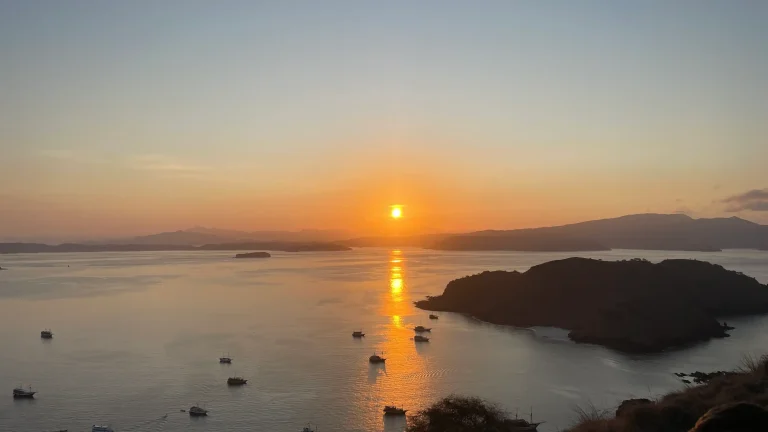
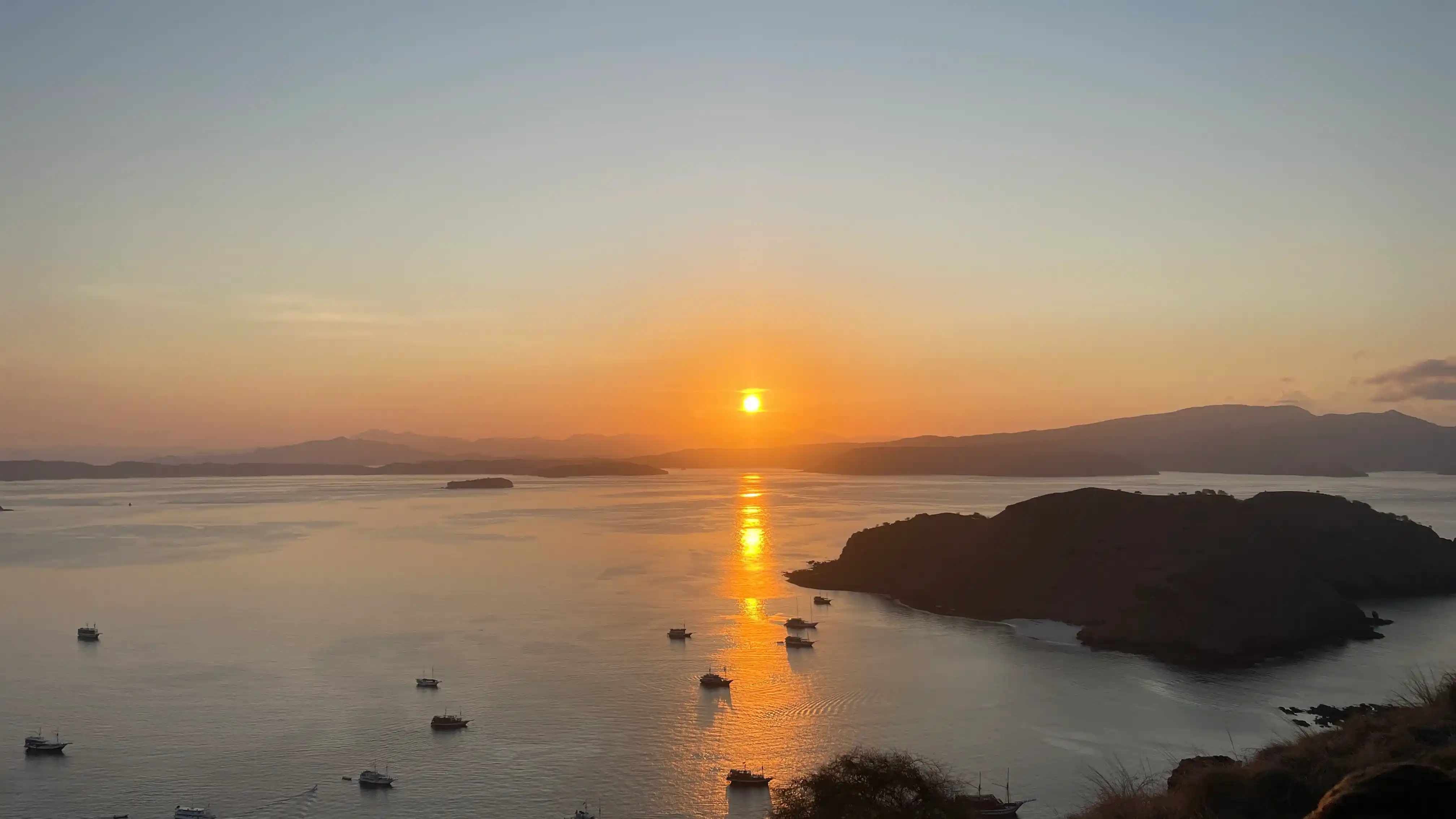
The best sunset spots in Komodo National Park can be found at several key locations, each offering unique perspectives and photographic opportunities.
One of the most celebrated locations is **Padar Island**, renowned for its panoramic views. Hikers can reach the famous viewpoint after a steep trek of about 30 minutes. Arriving just before sunset allows photographers to capture the striking contrasts between the rolling hills and the setting sun.
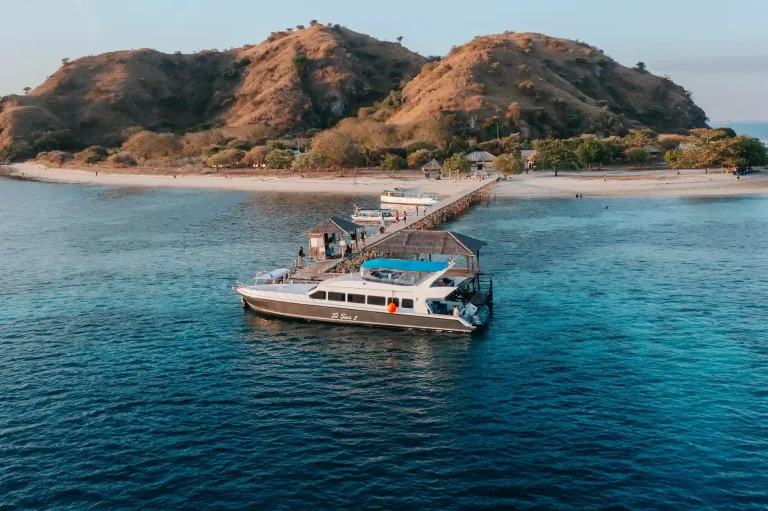
An alternative spot is **Kelor Island**, which also provides a beautiful backdrop for the sun dipping below the horizon. The beach here, with crystal-clear waters and white sand, enhances the beauty of sunset photography. The calm waters reflect the orange and pink hues of the sky, creating a stunning canvas for your images.
For early risers, **Gili Lawa** offers one of the best sunrise views. The serene environment at dawn, with minimal crowds, allows for peaceful photography. The soft morning light filtering over the hills and the nearby islands creates a magical scene, perfect for capturing the beauty of Komodo in its early hours.
How do you capture the classic Padar viewpoint photo?
To capture the iconic Padar viewpoint photo, consider the time of day and your equipment. The classic shot features the island’s unique, rugged shape against a backdrop of turquoise water and contrasting sand beaches. Arriving early in the morning or just before sunset provides the best lighting conditions, with softer shadows and enhanced colors.
Use a wide-angle lens to capture the expansive landscape. A focal length of 16-35mm is ideal for this type of shot. Tripods can also be beneficial—especially in lower light conditions—to maintain sharpness and stability.
Consider the composition of your photo as well. Including elements like the foreground’s rolling hills or the winding coastline can add depth to your image. Aerial perspectives, if allowed, can also enhance the visual impact. However, remember that drones are banned in the park, so using elevation to your advantage from designated viewpoints or higher ground is crucial.
Finally, post-processing can help highlight the natural colors of the image, but aim to keep it true to life, showcasing the raw beauty of Padar Island.
What camera gear is best for a Komodo snorkeling escape?
For underwater photography while snorkeling in Komodo, having the right camera gear is essential to capturing the vibrant marine life and stunning coral reefs. A waterproof camera or action camera, such as a GoPro, is an excellent choice for beginners, as these devices are compact, user-friendly, and capable of shooting high-quality images and videos.
If you’re looking for superior image quality, consider a mirrorless camera with an underwater housing. Models like the **Sony A7 series** or **Olympus Tough TG series** are popular among underwater photographers for their reliability and image quality. A wide-angle lens is preferable as it allows you to capture expansive underwater scenes, making it easier to frame the colorful coral and diverse fish species.
Using a floating wrist strap can prevent accidental drops in the water, while a light source can enhance visibility in deeper areas. The best time for snorkeling in Komodo is during the dry season, from April to December, when visibility is at its peak, often reaching up to 30 meters.
Best practices for underwater photography while snorkeling
When snorkeling in Komodo, practicing good underwater photography techniques is crucial for capturing high-quality images. First, ensure that your camera settings are optimized for underwater conditions. If your camera allows, set a higher ISO for better image performance in varying light conditions.
Focusing on composition is also vital. Use the rule of thirds to create dynamic images by positioning important elements along the grid lines. Get close to your subject to reduce the amount of water between the camera and the subject, as water can distort images and reduce clarity.
Avoid using the flash when photographing marine life, as this can scare animals away and cause backscatter, which leads to hazy images. Instead, use natural light to illuminate your subjects, particularly during midday when sunlight penetrates the water most effectively.
Lastly, be mindful of your environment. Avoid touching or disturbing coral and marine life, as this can harm fragile ecosystems and violate park regulations.
Photography tours and workshops in Komodo
For those seeking to enhance their photography skills, several workshops and guided tours are offered throughout the Komodo region. These tours often include expert photographers who can provide valuable insights into composition, lighting, and local wildlife.
Prices for these workshops vary, typically ranging from **$50 to $150 USD** (approximately **750,000 to 2,250,000 IDR**) depending on the length and depth of the course. Some tours may even include boat excursions to various islands, allowing participants to photograph diverse landscapes and seascapes.
Booking a photography tour ensures access to lesser-known spots and maximizes your chances of capturing unique images throughout the park. Additionally, these tours often provide transportation to and from Labuan Bajo, the main gateway to Komodo National Park, making them a convenient option for visitors.
For more information on local photography tours, consider checking resources such as [Indonesia.travel](https://www.indonesia.travel) or local operators that specialize in photography experiences in the area.
Final tips for capturing Komodo’s beauty
As you embark on your photographic journey through Komodo, remember to stay flexible and observant. Wildlife can be unpredictable; being patient and ready to capture unexpected moments can lead to stunning images.
Practice ethical photography by respecting local wildlife and environments, ensuring minimal impact on the ecosystems you encounter. Following local guidelines, such as not approaching wildlife too closely, will not only help protect the natural surroundings but will also enhance your overall experience.
In addition to your camera gear, consider carrying extra batteries and memory cards, as the diverse landscapes and abundant wildlife will tempt you to take hundreds of photos.
For a comprehensive guide on photography in Komodo, visit our [homepage](/) or explore other related content on [underwater photography techniques](/underwater-photography-guide).
To plan your photography escape to Komodo, contact the team for personalized assistance and detailed itineraries.
Planning specifics? See komodo escape from bali best short getaways routes and packages via or komodo escape packages prices 2026 compare short breaks cruises and.
Keep Reading
Places
Labuan Bajo Travel Guide: Gateway Town for Komodo Escapes and Flores Adventures
Labuan Bajo is worth staying in before a Komodo tour for its unique blend of local culture, stunning views, and…
Places
Rinca or Komodo Island: Where Should You See the Dragons?
Both Rinca and Komodo Island offer ranger-guided walks with near-guaranteed dragon sightings. Rinca (Loh Buaya) is closer to Labuan Bajo…
Places
Extend Your Komodo Escape: Flores Island Highlights, Kelimutu and Local Villages
Yes, you can combine a Komodo escape with a Flores overland tour. By extending your itinerary, you can explore the…