
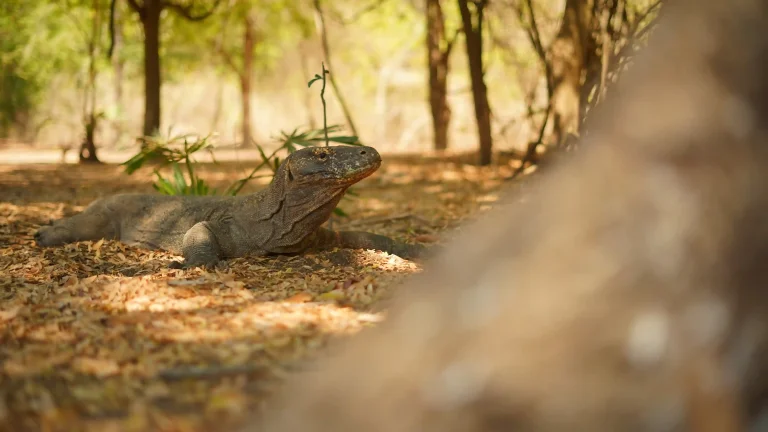
Komodo’s Role in Biodiversity Conservation: 2027 Insights
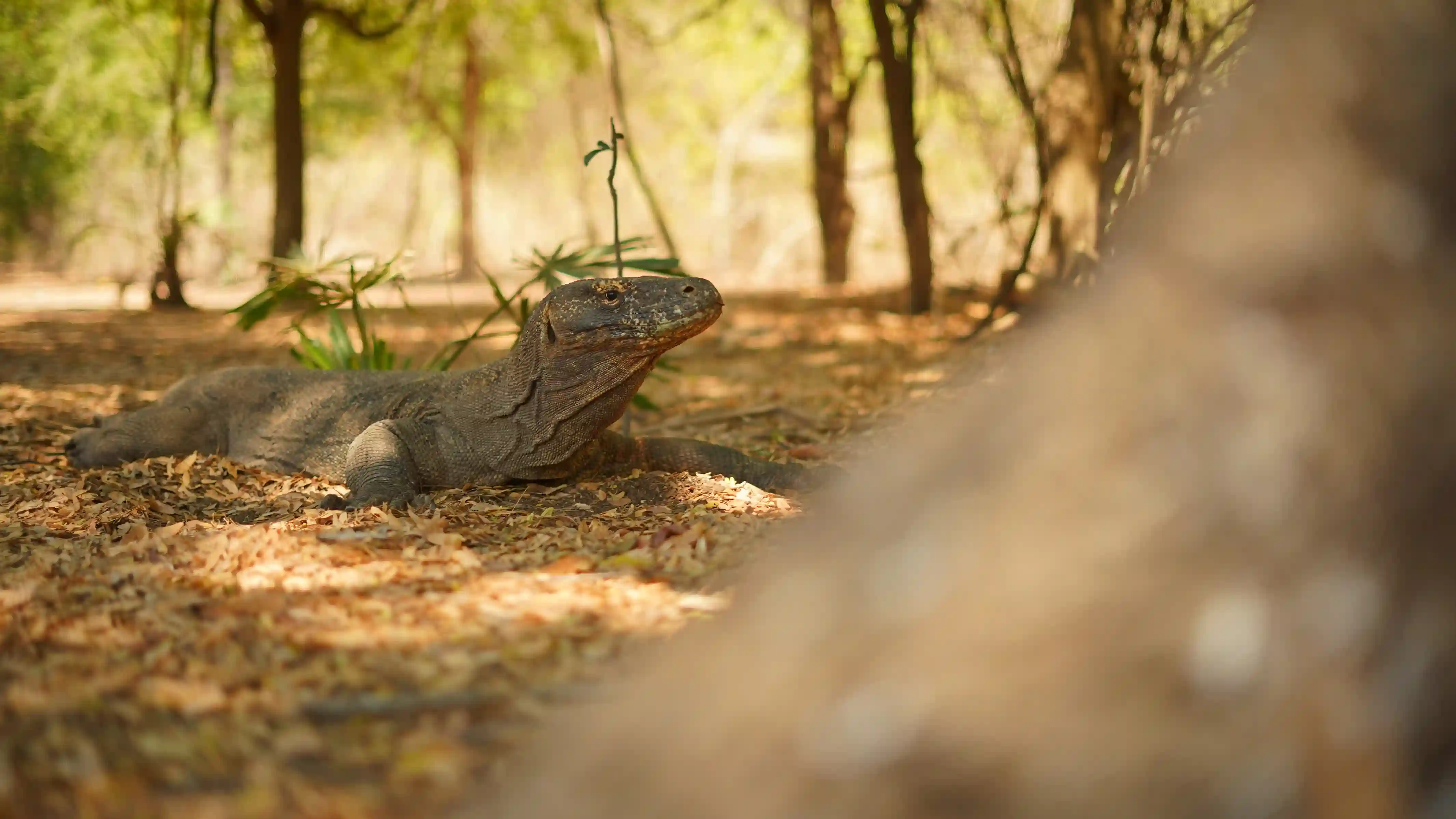
In 2027, biodiversity Komodo remains a crucial focus, with ongoing efforts ensuring the protection of its unique ecosystems and endemic species.
Biodiversity Komodo: A Unique Ecosystem
Komodo, part of Indonesia’s Lesser Sunda Islands, is an ecological marvel that continues to draw the attention of conservationists worldwide. This archipelago is a critical site for ecological studies, thanks to its rich biodiversity, which includes both terrestrial and marine life. The island is perhaps most famous for the Komodo dragon, the largest living species of lizard, which can grow up to three metres in length and weigh over 70 kilograms. However, the island is also home to a vast array of other species, including more than 1,000 species of fish, 260 types of coral, and 70 species of sponges. The preservation of this biodiversity is crucial for maintaining ecological balance, not just locally but as part of the global ecosystem.
Conservation Projects Komodo: 2027 Initiatives
In 2027, several conservation projects are actively working to safeguard the unique flora and fauna of Komodo. These initiatives are designed to mitigate the human impact on the environment and address the significant threats posed by climate change. Key projects include habitat restoration efforts, such as reforestation and mangrove rehabilitation, which are essential in combating coastal erosion and providing breeding grounds for marine life. Anti-poaching patrols are crucial in enforcing laws against illegal hunting and trading of wildlife. Community-based conservation programmes play a vital role by engaging local populations in sustainable practices, such as eco-friendly farming and fishing techniques. By involving local communities, these projects not only protect biodiversity but also ensure the long-term sustainability of the region’s natural resources.
Wildlife Protection Komodo: Strategies and Challenges
The protection of wildlife in Komodo requires a multifaceted approach, involving both local and international cooperation. Key strategies include the implementation of strict regulations to prevent illegal activities, such as poaching and habitat destruction. These regulations are enforced by dedicated teams who conduct regular patrols and monitor wildlife populations. Sustainable tourism is promoted as a way to balance economic benefits with conservation needs, ensuring that tourism does not negatively impact the environment. This involves setting limits on visitor numbers, promoting eco-friendly accommodations, and educating tourists on responsible behaviour. For detailed guidance on selecting responsible tour operators, visit our guide to choosing the right Komodo escape operator.
What Efforts are Being Made to Protect Biodiversity in Komodo?
Efforts to protect biodiversity in Komodo are multifaceted and include the establishment of protected areas, such as the Komodo National Park, which was designated a UNESCO World Heritage Site in 1991. Conservation laws are enforced to regulate activities that could harm the environment, such as illegal fishing and deforestation. Community outreach programmes are crucial in promoting sustainable resource use, educating locals on the importance of conservation, and providing alternative livelihoods to reduce dependence on natural resources. International collaborations focus on research and development of new strategies to address threats such as climate change and habitat degradation. These collaborations often involve universities, NGOs, and government agencies working together to share knowledge and resources.
2027 Note: Current Trends and Future Directions
As of 2027, the global conservation community continues to prioritise biodiversity in Komodo. Current trends include the adoption of digital monitoring techniques, such as drone surveillance and satellite imagery, to monitor wildlife populations and detect illegal activities. Enhanced international funding for conservation initiatives is providing much-needed resources to support these efforts. Future directions point towards greater integration of technological innovations, such as artificial intelligence and machine learning, in conservation efforts. These technologies can help predict potential threats, optimise resource allocation, and improve the management of these vital ecosystems.
FAQ
What are the main threats to Komodo’s biodiversity?
The main threats to Komodo’s biodiversity include climate change, which leads to rising sea levels and increased temperatures that affect habitats. Habitat destruction, often caused by human activities such as illegal logging and land conversion, poses significant risks to both terrestrial and marine ecosystems. Illegal activities, such as poaching of the Komodo dragon and overfishing, threaten the survival of many species. These threats are being addressed through a combination of local and international conservation efforts, including stricter enforcement of laws and community engagement initiatives.
How can tourists contribute to conservation efforts in Komodo?
Tourists can contribute to conservation efforts by choosing eco-friendly tour operators who adhere to sustainable practices and minimise environmental impact. Respecting local wildlife and habitats is crucial; this means following guidelines such as maintaining a safe distance from wildlife, not littering, and avoiding activities that could harm the environment. Participating in community-based conservation programmes, such as beach clean-ups or educational workshops, can also make a difference. For more information on planning an eco-friendly visit, explore our travel tips and guides.
Are there any new species discovered in Komodo recently?
Recent surveys in 2027 have identified several new marine species in the waters surrounding Komodo. These discoveries highlight the area’s rich biodiversity and underscore the importance of ongoing research and conservation efforts. Scientists have documented new species of fish, invertebrates, and even coral varieties, showcasing the unique and still largely unexplored marine environment of Komodo. These findings not only deepen our understanding of the region’s ecology but also reinforce the need for continued protection and study to preserve these ecosystems for future generations.
Keep Reading
Travel Journal
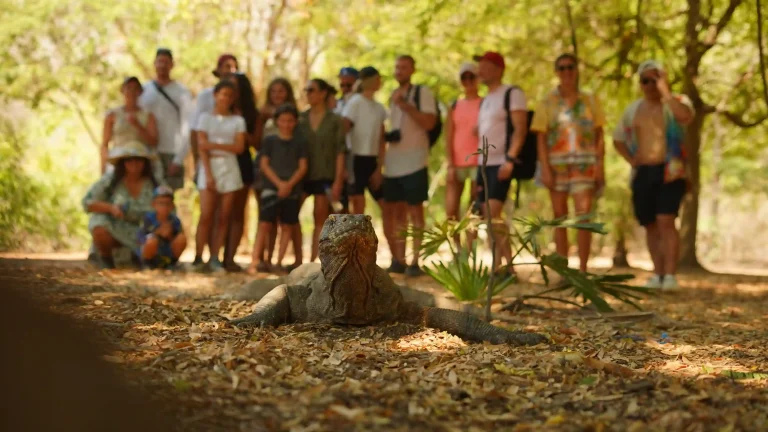
A Day in the Life on Komodo Island: 2027 Edition
Life on Komodo Island in 2027 is a harmonious blend of tradition and modernity, where daily life intertwines with the…
Travel Journal
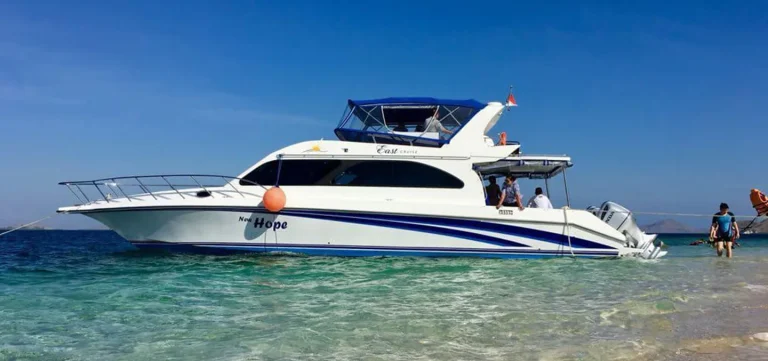
Komodo Transportation 2027: Navigating Your Travel Options
In 2027, Komodo transportation is diverse, offering visitors various options including ferries, speedboats, and eco-friendly vehicles for getting around Komodo…
Travel Journal
The Role of Local Communities in Komodo’s Tourism Industry
Local communities in Komodo play a pivotal role by engaging in sustainable tourism practices, offering authentic cultural experiences, and participating…