
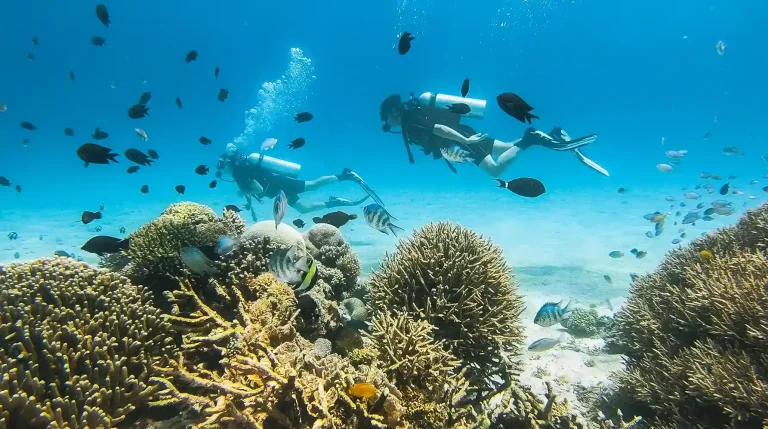
Komodo’s Underwater Wonders: New Discoveries in 2027
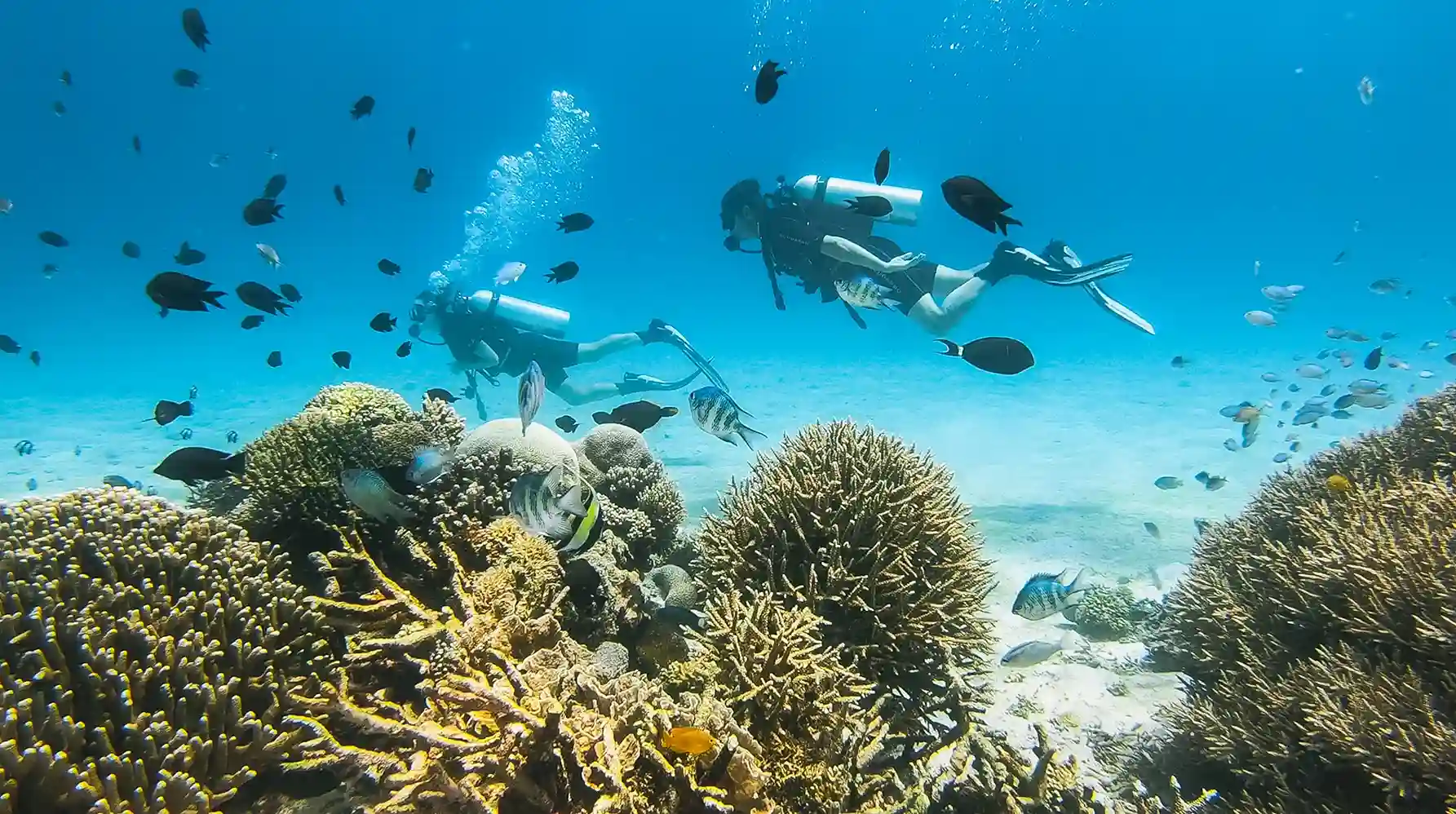
In 2027, new underwater discoveries in Komodo have unveiled remarkable marine biodiversity, enhancing the allure of this renowned diving destination. With advanced exploration techniques, divers can now experience even more vibrant underwater landscapes.
Underwater Discoveries Komodo in 2027
The Komodo region, already famous for its stunning marine life, has been the focus of significant underwater discoveries in 2027. Researchers and divers have uncovered various new species and habitats, pushing the boundaries of marine exploration in Komodo. These discoveries not only enhance scientific understanding but also enrich the diving experiences available in the region.
In 2027, the discovery of previously unknown species has been a highlight. Marine biologists have identified new types of nudibranchs, which are colourful sea slugs known for their intricate patterns and vibrant colours. These discoveries are not just limited to nudibranchs; several species of fish, including rare types of angelfish and butterflyfish, have been documented. These findings are significant as they contribute to the biodiversity of the Komodo National Park, a UNESCO World Heritage site. The park covers approximately 1,733 square kilometres, and its waters are home to more than 1,000 species of fish and over 260 species of coral.
Marine Exploration Komodo: The Latest Techniques
With the advent of technologies, marine exploration in Komodo has reached new heights. The use of advanced sonar and underwater drones has allowed researchers to map previously unexplored areas, revealing hidden coral gardens and unique marine species. These innovations facilitate a deeper understanding of the underwater ecosystem, offering divers a chance to explore new dive sites in 2027.
Advanced sonar systems, capable of reaching depths of up to 1,500 metres, have been instrumental in these discoveries. These systems provide detailed topographical maps of the ocean floor, allowing researchers to identify potential new habitats. Underwater drones, equipped with high-definition cameras and sensors, have been used to explore these areas in detail. These drones can operate at depths of up to 300 metres for extended periods, capturing footage that is invaluable for scientific research. This technology has enabled the discovery of new coral species, some of which are thought to be endemic to the region.
New Dive Sites 2027: Expanding Horizons
The year 2027 has seen the identification of several new dive sites in Komodo, each offering unique experiences. These sites are characterized by their diverse marine life and stunning coral formations. As a result, divers visiting Komodo can now enjoy a broader range of diving adventures, catering to both novice and experienced enthusiasts.
- Manta Point: Known for its graceful manta rays, this site is located near the island of Komodo and offers divers the chance to see these majestic creatures up close. The best time to visit is between May and September, when the nutrient-rich waters attract large groups of manta rays.
- Tatawa Besar: Offers vibrant corals and diverse fish species. This site is suitable for divers of all levels and is particularly popular for its colourful coral gardens. The currents here are generally mild, making it accessible year-round.
- Siaba Kecil: Ideal for drift diving with its strong currents. This site is best suited for experienced divers and is known for its large schools of fish and occasional sightings of reef sharks. The best time to dive here is from April to November, when visibility is at its peak.
Discovering New Species: A 2027 Note
In 2027, marine biologists in Komodo have documented several new species, including previously unknown types of nudibranchs and rare fish. These findings underscore the ecological significance of the region and highlight the importance of ongoing conservation efforts. As part of our commitment to preserving these wonders, we encourage responsible diving practices through our dive operator guidance.
Conservation efforts in Komodo are crucial, as the region faces threats from overfishing and climate change. The introduction of new species highlights the need for protective measures to ensure the long-term sustainability of the marine environment. Collaborative efforts between local authorities, conservation organisations, and the diving community are vital in maintaining the ecological balance of this unique region.
Enhancing Your Dive Experience
To make the most of your diving adventure in Komodo, consider the latest discoveries and plan your dives accordingly. Our team at Komodo Escape offers expert guidance and tailored diving packages, ensuring you experience the best of what the region has to offer. From exploring new dive sites to encountering exotic marine life, your underwater journey in Komodo promises to be unforgettable.
When planning your dives, take into account the seasonal variations in water conditions. The dry season, from April to November, generally offers the best visibility, often exceeding 30 metres. Water temperatures during this period range from 27 to 29 degrees Celsius, providing comfortable conditions for divers. During the wet season, from December to March, visibility can be reduced, and currents may be stronger, requiring divers to be more experienced.
FAQ
What new underwater discoveries have been made in Komodo?
In 2027, researchers have uncovered new species and habitats in Komodo, enhancing the region’s biodiversity and diving appeal. These include new types of nudibranchs and rare fish species, contributing to the scientific understanding of the region’s marine ecosystem.
How have new technologies impacted marine exploration in Komodo?
Advanced sonar and underwater drones have enabled more detailed mapping and exploration, revealing previously hidden underwater wonders. These technologies allow researchers to study previously inaccessible areas, leading to the discovery of new species and habitats.
What are some of the new dive sites discovered in 2027?
In 2027, new dive sites such as Siaba Kecil and Tatawa Besar have been identified, offering unique underwater experiences. These sites provide divers with opportunities to explore diverse marine life, stunning coral formations, and unique underwater landscapes.
Keep Reading
Travel Journal
A Day in the Life on Komodo Island: 2027 Edition
Life on Komodo Island in 2027 is a harmonious blend of tradition and modernity, where daily life intertwines with the…
Travel Journal
Komodo Transportation 2027: Navigating Your Travel Options
In 2027, Komodo transportation is diverse, offering visitors various options including ferries, speedboats, and eco-friendly vehicles for getting around Komodo…
Travel Journal
The Role of Local Communities in Komodo’s Tourism Industry
Local communities in Komodo play a pivotal role by engaging in sustainable tourism practices, offering authentic cultural experiences, and participating…