Best Time for Komodo Escape

Best Time for Komodo Escape: Discover the ideal months to set out on your Komodo Escape adventure, where weather, marine conditions, and crowd levels come into play.

  • Optimal weather conditions for island exploration.
  • Marine life visibility peaks for diving and snorkeling.
  • Tips on pricing windows and avoiding crowds.

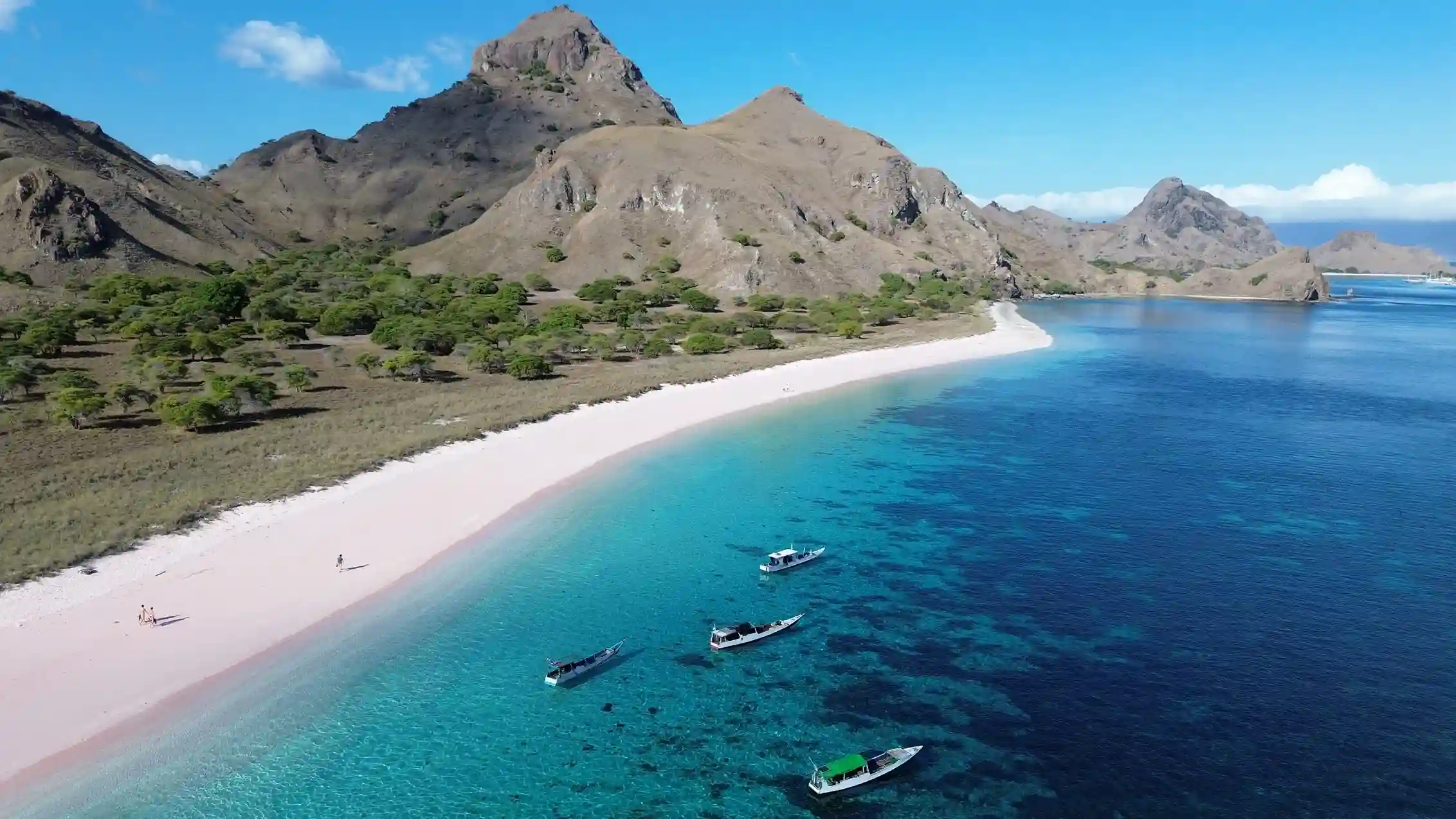
The sun rises over the Komodo archipelago, casting golden rays on the azure waters as the scent of salt and adventure fills the air. Each month brings its own unique charm to this Indonesian remarkable place, where the rugged beauty of the islands harmonizes with the dense marine life below. With plenty of curated Komodo island escapes available from Bali, the stage is set for memorable boutique stays, exhilarating day trips, and luxurious overnight cruises.

January: A Fresh Start in the Tropics

January marks the beginning of the wet season in Komodo, bringing cooler temperatures and occasional rain showers. The islands are lush and lively, making it an excellent time for hiking and exploring the terrain. The average temperature during this month hovers around 27°C (81°F), providing a comfortable backdrop for outdoor activities.

Weather and Marine Conditions

While rain can be expected, it generally falls in short bursts, leaving plenty of time for exploration. The waters remain relatively calm, allowing for diving and snorkeling excursions. Visibility underwater can reach up to 20 meters (65 feet), providing opportunities to encounter a diverse range of marine life.

Crowds and Pricing

January tends to attract fewer tourists, offering a more intimate experience. Prices for accommodations and tours are generally lower compared to peak months, making it an attractive option for budget-conscious travelers.

Atomic Fact: January averages 150mm of rainfall, significantly less than the peak wet months.

February: Embrace the Greenery

As the wet season continues, February showcases the lush flora of Komodo. The islands are alive with strong colors, and the cooler temperatures remain consistent. Many travelers find this time ideal for trekking through the national park, as the trails are less crowded.

Marine Life and Activities

February offers excellent diving conditions, with visibility often exceeding 25 meters (82 feet). This month is prime for spotting manta rays and other pelagic species, making it a favorite for underwater enthusiasts. Day trips to dive sites like Batu Bolong are particularly rewarding.

Travel Tips

Pack lightweight rain gear, as brief showers can occur, but don’t let that deter you. February is generally quieter, allowing for a peaceful exploration of both land and sea.

Atomic Fact: February sees an average temperature of 26°C (79°F) with 10 rainy days.

March: Transitioning Toward Dryness

March signals the tail end of the wet season, with occasional rain giving way to more sunny days. The transition brings about a rise in temperatures, averaging around 29°C (84°F). This month is ideal for those looking to experience Komodo’s natural beauty before the peak season begins.

Crowds and Pricing

Tourist numbers start to increase as the month progresses, but it remains manageable. Prices for boutique stays and day trips are still reasonable, making March a sweet spot for value-driven travelers.

Marine Conditions

With clearer waters, March presents fantastic diving opportunities. Expect to see healthy coral reefs teeming with life, including sea turtles and plenty of fish species.

Atomic Fact: March averages 90mm of rainfall, significantly decreasing from January and February.

April: The Onset of Peak Season

April heralds the dry season in Komodo, with sunny days and average temperatures around 30°C (86°F). The islands start to fill with travelers seeking to bask in the sun and explore the renowned Komodo National Park. This month is a favorite for both adventure seekers and leisure travelers.

Marine Life and Activities

April is a fantastic time for diving, with exceptional visibility and warm waters. The dense marine life is at its peak, and snorkelers can enjoy the colorful coral gardens. Day trips from Bali gain popularity as the weather improves.

Crowds and Pricing

Atomic Fact: April typically sees about 30mm of rainfall, making it one of the driest months.

May: Peak Adventure Awaits

As May unfolds, the dry season is in full swing. The islands are bustling with activity, and the weather is idyllic for exploration. Average temperatures hover around 31°C (88°F), making it a prime time for both relaxation and adventure.

Marine Conditions and Activities

Diving and snorkeling conditions are at their best, with visibility often exceeding 30 meters (98 feet). Manta rays, sharks, and a variety of colorful fish make for memorable underwater experiences. Activities such as trekking to view the Komodo dragons also gain traction.

Crowds and Pricing

May marks the start of the peak season, leading to higher prices for accommodations and tours. Advance bookings are advisable to secure your preferred boutique stays and experiences.

Atomic Fact: May can see a jump in visitor numbers, with a 25% increase compared to April.

June: The Height of the High Season

June is one of the most popular months for a Komodo Escape. The weather is consistently warm and dry, with an average temperature of 30°C (86°F). This month attracts many travelers from around the world, creating a colorful atmosphere across the islands.

Marine Life and Activities

June offers excellent conditions for diving, with opportunities to see larger marine species, including whale sharks. The clear waters make for perfect snorkeling conditions, with visibility reaching up to 30 meters (98 feet).

Crowds and Pricing

With June being peak season, expect larger crowds at popular sites. Prices will also reflect this demand, so it’s wise to plan and book early to secure the best rates for your Komodo Escape.

Atomic Fact: June sees an average of 5 rainy days throughout the month.

July: Embrace the Warmth and Buzz

July continues the dry season trend, with warm temperatures averaging around 29°C (84°F). The islands buzz with activity, as travelers flock to experience the rugged landscapes and rich biodiversity.

Marine Conditions

Visibility remains exceptional for diving, and this month is especially fruitful for spotting manta rays and turtles. The underwater ecosystem thrives, making it a favorite among divers and snorkelers alike.

Travel Tips

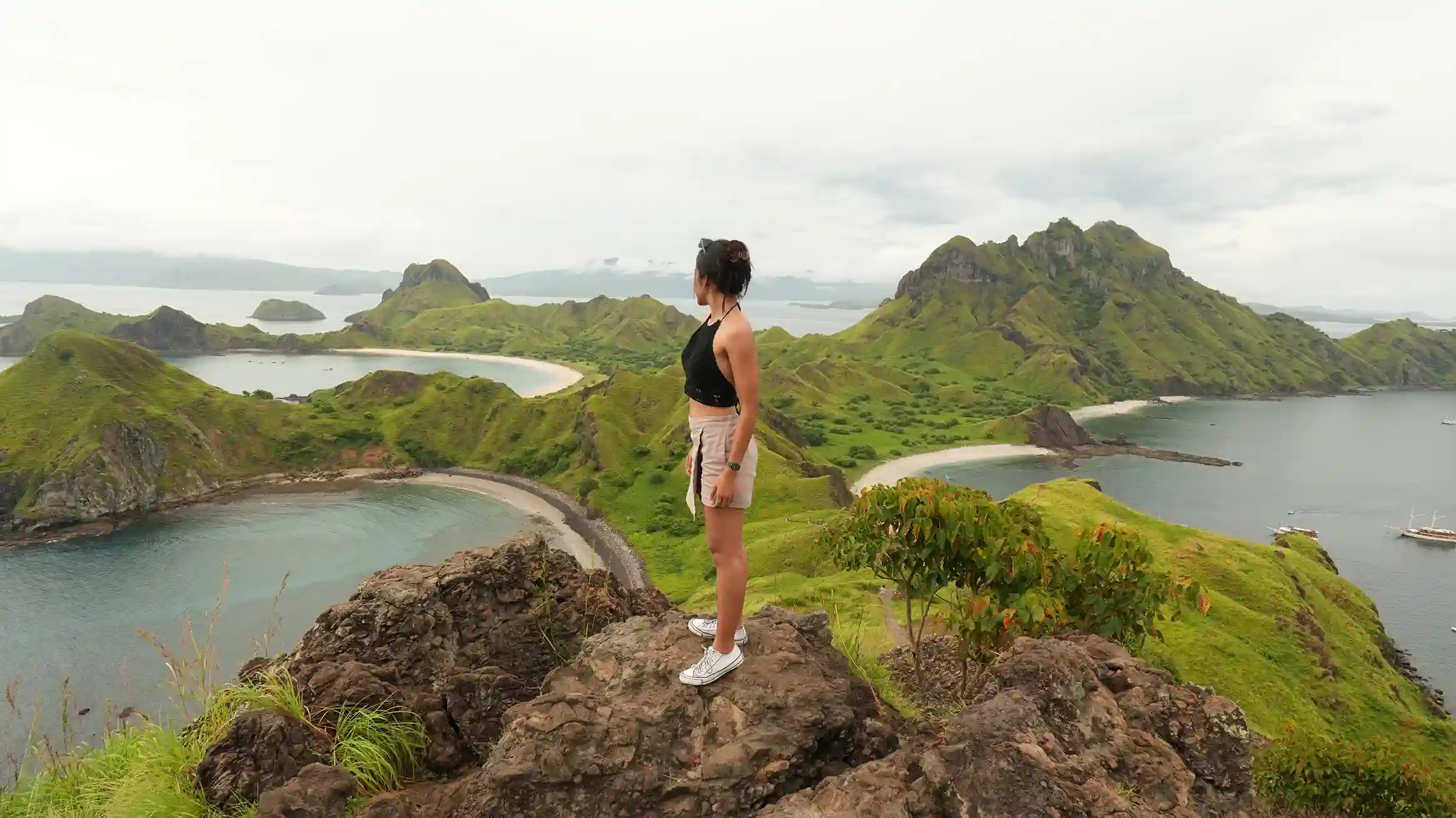
Expect crowds at popular attractions like Padar Island and Pink Beach. However, the busy atmosphere and thriving marine life make the experience worthwhile. Advance bookings for cruises and accommodations are essential.

Atomic Fact: July experiences about 4 rainy days on average, with nearly full sunshine.

August: Sun-Kissed and Adventurous

August is peak season, characterized by sunny skies and warm temperatures. Average highs reach around 31°C (88°F), making it ideal for outdoor adventures and relaxing beach days. The islands are alive with tourists seeking to soak up the beauty of Komodo.

Crowds and Pricing

The influx of visitors can lead to crowded attractions and higher prices. However, the rich atmosphere is part of the allure. Booking well in advance is key to securing your desired experiences during this bustling month.

Marine Activities

Diving and snorkeling conditions remain excellent, with abundant marine life visible. The clear waters and thriving coral reefs make August a favorite for underwater exploration.

Atomic Fact: August has the highest visitor numbers, nearly double that of the off-peak months.

September: A Gentle Transition

As the high season winds down, September offers a pleasant transition into the shoulder months. The weather remains warm, with average temperatures around 30°C (86°F). The islands begin to see fewer crowds, making it easier to explore at a leisurely pace.

Marine Conditions and Activities

September provides excellent diving conditions, with visibility still impressive. It’s a great time for spotting unique marine life, as many species are still active before the cooler months set in.

Crowds and Pricing

With the decrease in tourist numbers, prices for accommodations and tours start to drop. This month offers a balance of good weather, marine visibility, and lower costs, making it a favorable option for travelers.

Atomic Fact: September sees a 30% decrease in visitor numbers compared to August.

October: A Quiet Respite

October marks the beginning of the wet season, but the weather is still favorable for exploration. Average temperatures are around 29°C (84°F), and occasional rain showers typically pass quickly, leaving plenty of time for outdoor activities.

Crowds and Pricing

Marine Life and Activities

Visibility may start to decline, but opportunities for unique marine encounters remain. This month is still great for snorkeling and diving, with chances to see less crowded sites.

Atomic Fact: October averages about 100mm of rainfall, with a significant reduction in tourists.

November: Embracing the Rain

November brings more consistent rainfall, marking the height of the wet season. Average temperatures cool slightly to around 28°C (82°F). While this may deter some travelers, the islands remain beautiful and lush, providing a different perspective.

Crowds and Pricing

This month sees a significant drop in tourist numbers, resulting in lower prices for accommodations and activities. It’s an excellent time for those seeking solitude and lower costs.

Marine Conditions

While diving conditions may vary, there are still opportunities for exploration. Short bursts of rain often clear quickly, allowing for diving and snorkeling adventures.

Atomic Fact: November sees an average of 200mm of rainfall, creating a lush landscape.

December: The Calm Before the Storm

As December arrives, the wet season continues, bringing cooler temperatures around 27°C (81°F). While rain is prevalent, the islands remain captivating, and holiday travelers begin to arrive, eager for a Komodo Escape.

Crowds and Pricing

Tourist levels start to rise again as the holiday season approaches. While prices may increase, the spirit of adventure remains lively, attracting travelers eager for unique experiences.

Marine Life and Activities

Underwater visibility fluctuates, but diving and snorkeling opportunities still exist. Adventurous travelers can take advantage of the quieter periods between rain showers.

Atomic Fact: December averages 200mm of rainfall, with 15 rainy days expected.

Your Komodo Escape awaits you, no matter the month you choose to visit. Each season carries its unique charm and experiences, ensuring that your journey through these dramatic islands will be memorable. Whether you’re searching for thrilling underwater adventures or serene boutique stays, Komodo offers something for every traveler. Start planning your escape today and embrace all that the enchanting Komodo archipelago has to offer.

💬