
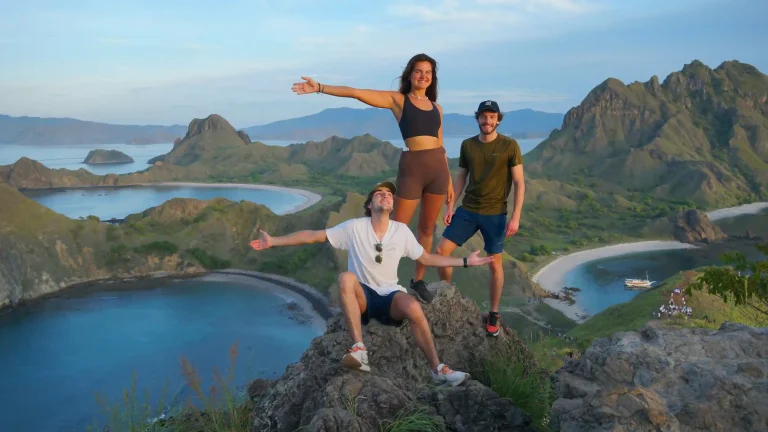
Komodo Photography Tips: Capture the Beauty of Komodo in Stunning Shots
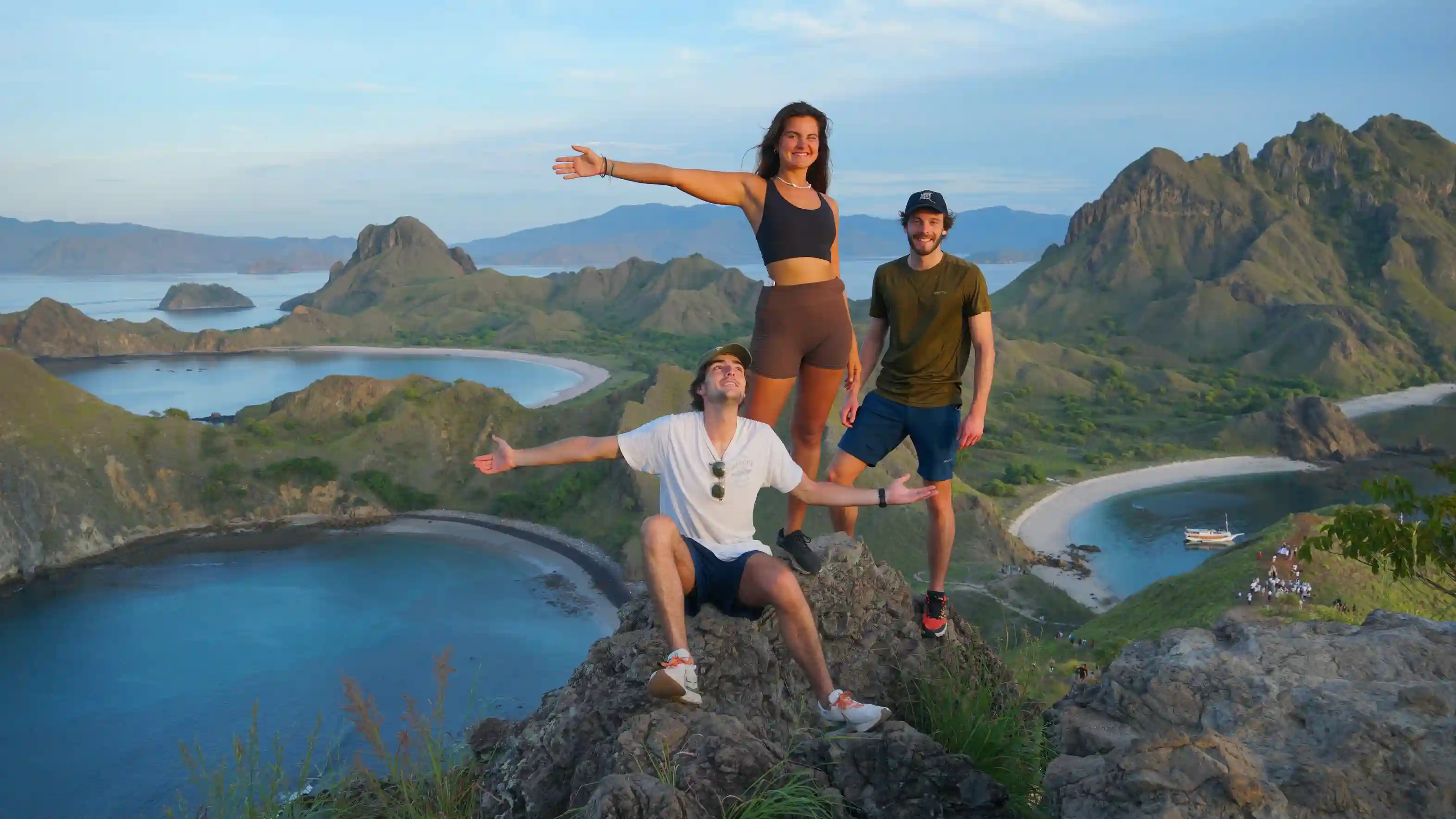
For stunning Komodo photography, focus on lighting, frame picturesque landscapes, and highlight the vibrant wildlife. Plan around the golden hours for optimal results.
Komodo Photography Tips
Komodo Island, renowned for its dramatic landscapes and unique wildlife, offers countless opportunities for travel photography. ‘re a seasoned photographer or a beginner, capturing the beauty of Komodo demands a strategic approach. This guide provides essential Komodo photography tips to help you capture the island’s natural wonders in the best possible light.
Understanding Light and Timing
Light is a fundamental element in photography, and Komodo Island is no exception. The golden hours—shortly after sunrise and just before sunset—are ideal times for photography. During these hours, the sun casts a warm, soft light that enhances colours and adds depth to your images. For instance, photographing the rugged landscapes of Komodo National Park during these times can result in striking contrasts and vivid hues. The interplay of light and shadows can turn ordinary scenes into spectacular photographs. For those planning a visit, the dry season from April to December provides clearer skies, making these hours even more effective for capturing stunning visuals.
Composition Techniques
Good composition is key to engaging photography. One effective technique is the rule of thirds, which involves dividing your frame into thirds both vertically and horizontally, and placing key elements along these lines. This method can create balanced and dynamic images. Additionally, incorporating leading lines—such as pathways, the curves of the coastline, or even the direction of a dragon’s gaze—can guide the viewer’s eye through the image, creating a sense of movement and depth. Experimenting with different perspectives, such as shooting from a low angle to capture the grandeur of a Komodo dragon or from a higher vantage point to showcase the expansive landscapes, can also enhance your compositions.
Capturing Komodo’s Wildlife
The island’s diverse fauna, particularly the iconic Komodo dragons, are a major draw for photographers. These creatures can grow up to three metres in length and weigh as much as 70 kilograms. To capture the best wildlife photos, patience is crucial, as is respecting the animals’ space. Use a telephoto lens, ideally with a focal length of 200mm or more, to maintain a safe distance while obtaining close-up shots. It is advisable to use a tripod to steady your camera and avoid motion blur, especially in low-light conditions. The best time to photograph the dragons is during the cooler hours of the morning when they are more active. Remember, safety is paramount—always follow the guidance of local rangers and never approach the dragons too closely.
Equipment Recommendations
- Camera: A DSLR or mirrorless camera with manual controls is recommended for flexibility in varying lighting conditions.
- Lenses: A wide-angle lens, such as a 16-35mm, is ideal for capturing expansive landscapes, while a telephoto lens, such as a 70-200mm, is essential for photographing wildlife from a safe distance.
- Tripod: A sturdy tripod is crucial for maintaining stability, particularly in low light situations or when using long exposure techniques.
- Filters: Polarising filters can deepen the blue of the sky and reduce glare on water surfaces, while neutral density (ND) filters are useful for achieving long exposure shots, such as capturing the movement of water or clouds.
For those planning their trip, exploring different Komodo escape options can help tailor your photography experience to the unique opportunities available on the island. Consider booking guided tours that focus on photography, as they often provide insights into the best locations and times to shoot.
Post-Processing Tips
Post-processing is a valuable tool for enhancing your images. Software such as Adobe Lightroom allows you to adjust exposure, contrast, and colour balance to bring out the best in your photos. When editing, aim to maintain the natural essence of the scene. Over-processing can lead to unrealistic images that detract from the natural beauty of Komodo. Use tools like lens correction to fix any distortions, and pay attention to chromatic aberrations, especially when using wide-angle lenses. Subtle adjustments can make a significant difference, enhancing the overall impact of your photographs.
| Photography Aspect | Tips |
|---|---|
| Lighting | Shoot during golden hours for soft, warm lighting. |
| Composition | Utilise the rule of thirds and leading lines for dynamic images. |
| Wildlife Photography | Use a telephoto lens to maintain a safe distance and capture detailed shots. |
As travel photography continues to evolve, integrating AI tools into photo editing and utilising drones for aerial shots are trends that can add new dimensions to your photography. Keeping abreast of these advancements can significantly enhance the quality of your work. Drones, in particular, can provide unique perspectives of Komodo’s landscapes, offering aerial views that are otherwise inaccessible.
Before setting out, ensure you have a reliable plan by choosing the right Komodo escape operator, ensuring your journey is safe and well-organised. These operators can provide essential support and guidance, enhancing your overall experience while ensuring safety and environmental responsibility.
FAQ
What are the top tips for photographing Komodo’s landscapes?
Focus on lighting and composition, particularly during golden hours, and use leading lines to enhance landscape photography. Consider the weather conditions, as the dry season offers clearer skies and more predictable lighting conditions.
How can I photograph Komodo dragons safely?
Maintain a safe distance, use a telephoto lens for close-ups, and never interfere with the wildlife. Always follow the guidance of local rangers and adhere to safety protocols to protect both yourself and the animals.
What equipment is essential for photographing Komodo?
Bring a DSLR or mirrorless camera, wide-angle and telephoto lenses, a sturdy tripod, and polarising filters. Consider additional memory cards and batteries, as these can quickly run out during a full day of shooting in remote locations.
Planning for 2027: figures and schedules quoted above are based on the 2027 season — double-check specifics closer to your travel date.
Keep Reading
Travel Journal
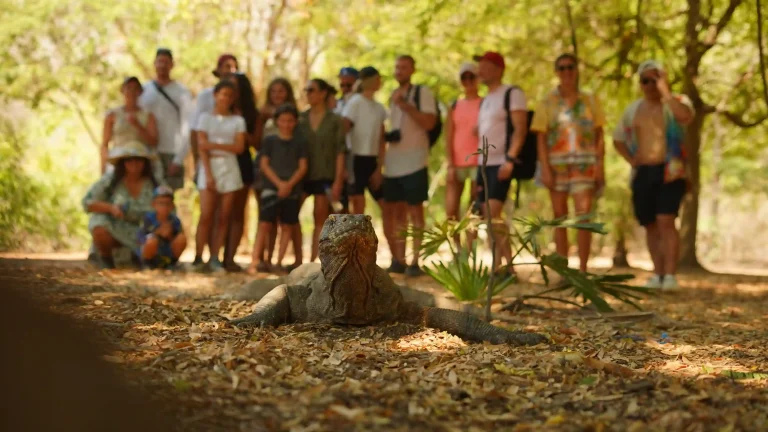
A Day in the Life on Komodo Island: 2027 Edition
Life on Komodo Island in 2027 is a harmonious blend of tradition and modernity, where daily life intertwines with the…
Travel Journal
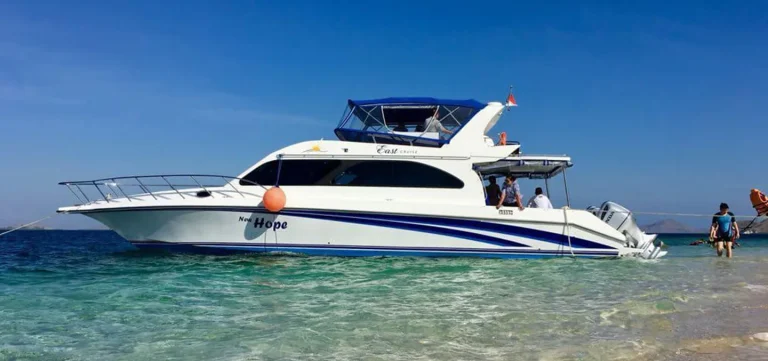
Komodo Transportation 2027: Navigating Your Travel Options
In 2027, Komodo transportation is diverse, offering visitors various options including ferries, speedboats, and eco-friendly vehicles for getting around Komodo…
Travel Journal
The Role of Local Communities in Komodo’s Tourism Industry
Local communities in Komodo play a pivotal role by engaging in sustainable tourism practices, offering authentic cultural experiences, and participating…