

Sustainable Tourism Komodo: What’s New in 2027?

In 2027, sustainable tourism practices in Komodo focus on reducing environmental impact through eco-friendly initiatives and promoting community-based tourism.
Sustainable Tourism Komodo: An Overview
Komodo, renowned for its stunning landscapes and biodiversity, has become increasingly popular among travellers seeking both natural beauty and adventure. However, this rise in tourism has highlighted the urgent need for sustainable practices to mitigate environmental degradation. By 2027, sustainable tourism in Komodo is defined by a range of innovative strategies designed to preserve the island’s unique ecosystems while simultaneously bolstering local communities. These strategies include the integration of eco-friendly technologies and community-centric tourism models.
Eco-Tourism Trends 2027
The trends in eco-tourism for 2027 highlight a significant shift towards carbon-neutral travel. Tour operators in Komodo are progressively embracing renewable energy sources, such as solar and wind power, and are implementing carbon offset programmes. These efforts are aimed at reducing the overall carbon footprint of travel operations. For instance, some operators have introduced solar-powered charging stations at popular tourist spots, allowing electric vehicles and equipment to be charged sustainably. These measures not only contribute to environmental preservation but also enhance the visitor experience by offering cleaner and more sustainable travel options. Furthermore, travellers are increasingly opting for eco-friendly accommodations, such as lodges that utilize rainwater harvesting and solar panels.
Green Travel Komodo: Key Initiatives
The shift towards green travel in Komodo encompasses a variety of initiatives aimed at safeguarding the island’s ecosystems. These initiatives include:
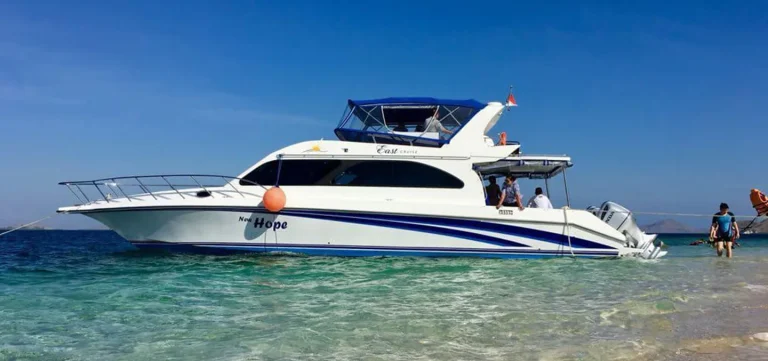
- Implementation of electric or hybrid boats to significantly reduce emissions during tours. By 2027, a large percentage of tour operators are expected to have transitioned to these environmentally friendly vessels.
- Promotion of waste reduction and recycling programmes, which have been established in partnership with local waste management agencies. These programmes aim to reduce plastic waste by at least 30% by the end of the year.
- Engagement with local communities to create sustainable tourism opportunities, such as eco-guides who lead educational tours about local wildlife and conservation efforts.
- Strict visitor guidelines designed to minimise environmental disruption, including designated walking paths and limited access to sensitive areas during certain seasons to protect wildlife breeding grounds.
These initiatives are supported by both local governments and tourism operators, ensuring that every aspect of the travel experience is carefully considered and managed to protect the natural environment.
Community-Based Tourism: A Focus for 2027
Community-based tourism forms a critical component of sustainable tourism in Komodo. In 2027, there is a concerted effort to involve local communities in the development and management of tourism activities. This approach not only provides significant economic benefits to the local population but also helps preserve cultural heritage. Tourists are encouraged to partake in cultural experiences organised and led by local residents. These experiences could include traditional cooking classes, participation in local festivals, or crafting workshops that highlight indigenous techniques. Such initiatives foster a deeper connection between visitors and the host community, promoting a mutual respect and understanding that enriches the travel experience.
2027 Note: Sustainable Tourism Practices
As we advance into 2027, staying informed about the latest sustainable tourism practices is essential. The focus remains on balancing environmental conservation efforts with the needs of local communities and the expectations of tourists. By selecting tour operators that prioritise sustainability, visitors can play an active role in contributing positively to the future of Komodo. It is crucial for prospective travellers to research and choose the right Komodo escape operator that aligns with these sustainability goals, ensuring safety and inclusivity in their offerings. Operators offering transparent information about their sustainability practices are more likely to provide an ecologically responsible travel experience.
FAQ
What are the latest sustainable tourism practices in Komodo?
Recent practices in Komodo focus on reducing carbon emissions through the adoption of renewable energy sources, encouraging local community involvement in tourism activities, and implementing comprehensive waste reduction strategies. These efforts aim to ensure that tourism contributes to the well-being of both the environment and the local population.
How do eco-tourism trends in 2027 impact Komodo’s environment?
Eco-tourism trends in 2027 significantly impact Komodo’s environment by promoting the use of renewable energy and carbon-neutral travel options. By reducing reliance on fossil fuels and implementing carbon offset initiatives, these trends help mitigate the environmental impact of tourism, contributing to the preservation of Komodo’s natural landscapes and biodiversity.
Why is community-based tourism important for sustainable travel in Komodo?
Community-based tourism is vital for sustainable travel in Komodo as it supports local economies, preserves cultural heritage, and fosters meaningful connections between tourists and residents. By involving local communities in tourism development, community-based tourism ensures that the benefits of tourism are shared more equitably and that cultural traditions are maintained for future generations.
Keep Reading

Travel Journal
A Day in the Life on Komodo Island: 2027 Edition
Life on Komodo Island in 2027 is a harmonious blend of tradition and modernity, where daily life intertwines with the…
Travel Journal
Komodo Transportation 2027: Navigating Your Travel Options
In 2027, Komodo transportation is diverse, offering visitors various options including ferries, speedboats, and eco-friendly vehicles for getting around Komodo…

Travel Journal
The Role of Local Communities in Komodo’s Tourism Industry
Local communities in Komodo play a pivotal role by engaging in sustainable tourism practices, offering authentic cultural experiences, and participating…