
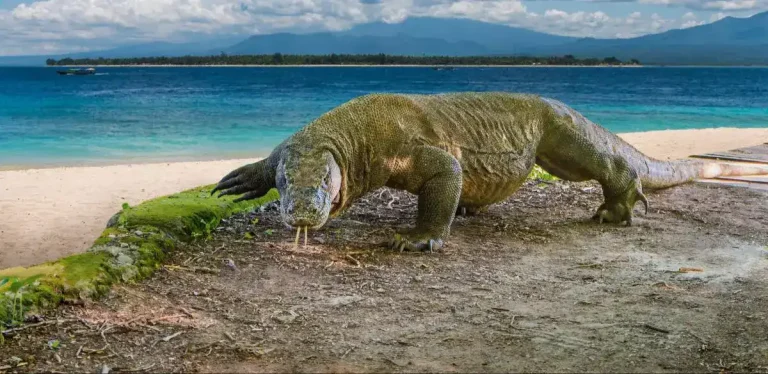
Komodo Dragon Conservation Efforts: 2027 Update
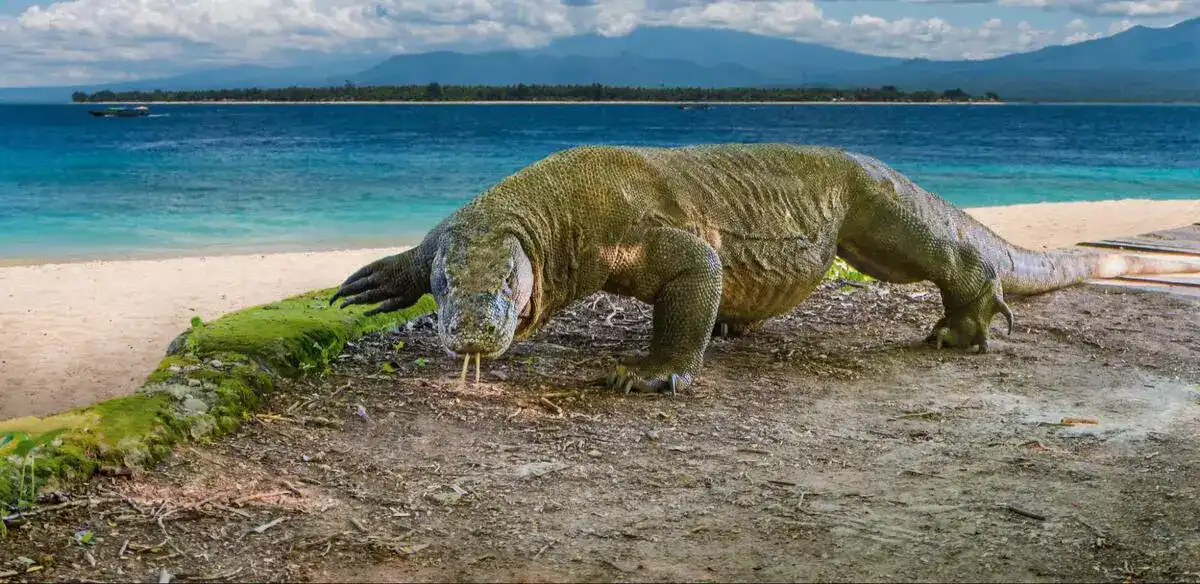
In 2027, Komodo dragon conservation efforts focus on habitat protection, sustainable tourism, and ongoing research. These initiatives aim to safeguard the species and ensure their environment remains viable and thriving.
Komodo Dragon Conservation: Current Strategies
The Komodo dragon, the largest living lizard, continues to face challenges from habitat loss and climate change. In 2027, conservationists have introduced innovative strategies to counter these threats. Key initiatives include habitat restoration, community engagement, and monitoring of dragon populations. These efforts are crucial for maintaining biodiversity and promoting wildlife preservation in Komodo.
Habitat loss remains one of the most pressing issues. Conservationists are undertaking large-scale habitat restoration projects, focusing on reforesting areas that have been cleared for agriculture or development. These projects not only aim to restore the natural environment but also to create buffer zones that protect existing habitats from encroachment. Climate change, with its associated risks such as rising sea levels and temperature shifts, poses additional challenges. Conservationists are working to model future climate scenarios to predict and mitigate the impacts on Komodo dragon habitats.
New Conservation Strategies for Komodo Dragons
What new conservation strategies are in place for Komodo dragons? Conservationists have shifted focus towards integrated habitat protection, involving local communities in conservation activities, and enhancing genetic research to ensure the long-term survival of the species.
Integrated habitat protection involves not only safeguarding the land where dragons live but also managing the surrounding areas that influence the habitat’s health. This approach includes controlling invasive species, managing water resources effectively, and ensuring that human activities do not negatively impact the environment.
Community involvement is critical. Local residents are employed in conservation roles, such as rangers and guides, which provides them with a vested interest in protecting the dragons. Programmes educate the community about the importance of conservation, combining traditional knowledge with scientific approaches to create effective management strategies.
Innovative Research on Komodo Dragons
Research plays a pivotal role in Komodo dragon conservation. In 2027, scientists are utilising advanced technologies, such as satellite tracking and genetic analysis, to study dragon behaviour and adaptation. These insights help refine conservation strategies and address challenges posed by climate change.
Satellite tracking has revolutionised the way researchers understand Komodo dragons’ movement patterns and habitat use. By fitting dragons with GPS collars, scientists can gather data on their range, migration patterns, and how they interact with their environment. This data is crucial for identifying critical habitats that need protection and understanding how dragons respond to environmental changes.
Genetic analysis is employed to monitor genetic diversity within and between dragon populations. This research helps identify potential inbreeding issues and ensures that breeding programmes maintain healthy genetic diversity, which is vital for the species’ long-term survival.
Community Involvement in Conservation
Local communities are increasingly recognised as key stakeholders in wildlife preservation Komodo efforts. By involving residents in monitoring activities and promoting eco-friendly tourism, conservationists are fostering a sense of ownership and responsibility towards protecting the Komodo dragon’s habitat.
- Habitat protection initiatives
- Community-led monitoring programmes
- Eco-friendly tourism practices
Community-led monitoring programmes involve training locals to collect data on dragon populations and their habitats. This participatory approach not only provides valuable data but also empowers communities, strengthening their role in conservation.
Eco-friendly tourism practices are promoted to minimise the environmental footprint of visitors. These practices include using sustainable materials, reducing waste, and promoting activities that do not disturb wildlife. For those planning a visit, understanding how to choose the right Komodo escape operator can enhance the experience while supporting conservation efforts.
Balancing Tourism and Conservation
The balance between tourism and conservation is crucial. In 2027, sustainable tourism practices are being emphasised to manage visitor impact on Komodo National Park. This includes limiting visitor numbers, implementing strict guidelines, and promoting educational tours that highlight conservation.
Visitor numbers are controlled through a permit system, ensuring that the park does not exceed its carrying capacity. Strict guidelines are in place to ensure that tourists do not interfere with the wildlife or damage the environment. Educational tours are designed to inform visitors about the importance of conservation, explaining the challenges faced by Komodo dragons and the measures being taken to protect them.
For more insights into Komodo dragon conservation, explore our extensive resources at Komodo Escape.
2027 Note on Future Challenges and Opportunities
As we progress through 2027, the conservation landscape presents both challenges and opportunities. Continued climate change impacts, coupled with potential increases in tourism, require adaptive management strategies. However, advancements in technology and growing global awareness offer promising avenues for enhancing protection efforts.
The development of more sophisticated climate models allows conservationists to predict and plan for the impacts of climate change more effectively. Global awareness campaigns are increasing public support for conservation, helping to secure funding and political backing for initiatives.
FAQ
What threats do Komodo dragons face today?
Komodo dragons face threats from habitat destruction, climate change, and human activities. Conservation efforts are focused on mitigating these impacts through habitat protection and sustainable practices.
How does genetic research aid in Komodo dragon conservation?
Genetic research helps identify genetic diversity within Komodo dragon populations, which is essential for understanding their resilience to environmental changes and ensuring effective breeding programmes.
Can tourists still visit Komodo National Park?
Yes, tourists can visit Komodo National Park but must adhere to guidelines designed to protect the habitat and its inhabitants. Sustainable tourism supports conservation efforts by raising awareness and funding initiatives.
Keep Reading
Travel Journal
A Day in the Life on Komodo Island: 2027 Edition
Life on Komodo Island in 2027 is a harmonious blend of tradition and modernity, where daily life intertwines with the…

Travel Journal
Komodo Transportation 2027: Navigating Your Travel Options
In 2027, Komodo transportation is diverse, offering visitors various options including ferries, speedboats, and eco-friendly vehicles for getting around Komodo…

Travel Journal
The Role of Local Communities in Komodo’s Tourism Industry
Local communities in Komodo play a pivotal role by engaging in sustainable tourism practices, offering authentic cultural experiences, and participating…