Exploring Komodo’s Marine Diversity: A 2027 Perspective
In 2027, Komodo’s marine life continues to thrive, showcasing vibrant biodiversity and remarkable conservation efforts that attract divers and snorkelers worldwide.
Marine Life Komodo 2027
Komodo National Park remains a beacon of marine biodiversity, with 2027 marking significant strides in ocean conservation. This year, the park’s vibrant coral reefs and diverse marine species continue to captivate visitors. The park covers an area of approximately 1,733 square kilometres, encompassing three major islands—Komodo, Rinca, and Padar—along with numerous smaller islets. Within this expanse, over 1,000 species of fish, about 260 species of reef-building coral, and 70 species of sponges have been documented. Efforts to preserve this aquatic paradise have seen increased success, making it a prime destination for marine enthusiasts. Annual visitor numbers have steadily increased, now reaching an estimated 200,000 tourists, drawn by the promise of witnessing one of the most pristine marine environments in the world.
Key Marine Species in Komodo
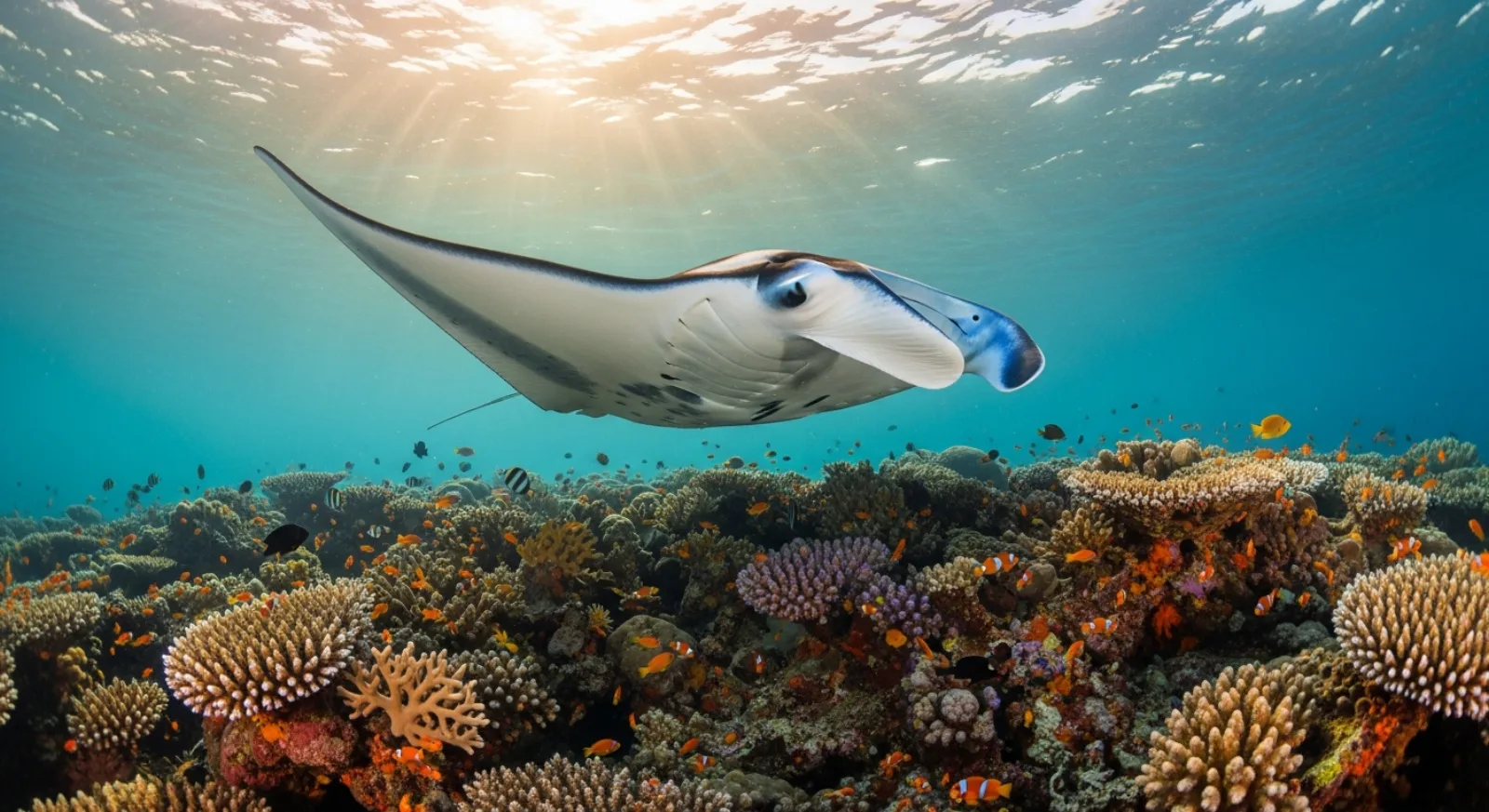
Komodo’s waters are home to a stunning array of marine life. Popular species include manta rays, sea turtles, and various reef sharks. The manta rays, particularly the reef manta (Mobula alfredi), are often seen gliding gracefully through the waters, especially around sites like Manta Point, where plankton-rich currents attract these gentle giants. Sea turtles, including the green and hawksbill turtles, are frequently spotted nesting on the park’s beaches, contributing to the area’s ecological richness. Various reef sharks, such as the whitetip reef shark and the blacktip reef shark, patrol the coral gardens, maintaining the health of the ecosystem. The vibrant coral reefs host an abundance of fish species, such as the iconic clownfish, known for its symbiotic relationship with sea anemones, and parrotfish, which play a crucial role in coral reef health by grazing on algae. These species not only thrive but also play crucial roles in maintaining the ecological balance of the region.
Snorkeling Insights Komodo
For those seeking unique snorkeling experiences, Komodo offers underwater adventures. Snorkelers can explore diverse coral gardens and witness an array of colourful fish. Popular snorkeling spots include Pink Beach, where the sand’s unique hue is a result of red coral fragments mixed with white sand. Another favourite is Batu Bolong, a small rock island with vibrant marine life and clear waters that provide excellent visibility, often exceeding 30 metres. With water temperatures ranging from 27 to 30 degrees Celsius, snorkeling conditions remain comfortable throughout the year. Beginners and seasoned snorkelers alike will find the aquatic landscapes both educational and exhilarating, with opportunities to observe firsthand the intricate relationships within the marine ecosystem.
Ocean Conservation Komodo
Conservation efforts in Komodo have taken centre stage in 2027. Initiatives focus on sustainable tourism practices and protecting marine habitats. The involvement of local communities has been pivotal in these efforts, ensuring that the delicate balance of this marine ecosystem is preserved for future generations. One notable project is the Coral Triangle Initiative, which aims to protect the region’s coral reefs and maintain fish populations through community-led monitoring and enforcement of fishing regulations. Visitors are encouraged to engage in eco-friendly activities and respect the natural environment. This includes participating in beach clean-up events, following no-touch policies while diving or snorkeling, and supporting local conservation programmes financially or through volunteer work.
2027 Note: Technological Advancements
In 2027, technological advancements have greatly enhanced the way visitors experience Komodo’s marine diversity. From augmented reality snorkeling guides to advanced marine mapping technologies, exploring the underwater world is more informative and interactive than ever before. Augmented reality guides provide real-time information about marine species and coral formations as snorkelers explore, while advanced mapping offers detailed insights into the topography of the ocean floor. These innovations contribute significantly to both the enjoyment and education of visitors, fostering a deeper understanding of marine ecosystems and their importance.
Choosing the Right Operator for Your Komodo Adventure
When planning a trip to explore Komodo’s marine life, selecting the right tour operator is crucial. Safety, inclusions, and sustainability practices should be considered. Operators should adhere to strict safety protocols, including providing well-maintained equipment and ensuring guides are certified in first aid. Inclusions often vary, with some operators offering additional services such as underwater photography or educational talks on marine ecology. For comprehensive advice on how to choose the right operator, visit our detailed guide on choosing a Komodo escape operator. This ensures a safe, enjoyable, and eco-conscious adventure.
FAQ
What marine species are thriving in Komodo’s waters?
Manta rays, sea turtles, and various reef sharks are among the thriving species in Komodo’s waters. These creatures can be observed frequently, particularly during specific seasons when conditions are optimal for their visibility.
How has technology enhanced marine exploration in 2027?
In 2027, advancements like augmented reality snorkeling guides and advanced mapping have made marine exploration more interactive and informative. These tools provide a comprehensive understanding of the underwater environment, enhancing both the educational and experiential aspects of marine exploration.
Are there specific conservation programs I can support during my visit?
Yes, visitors can participate in eco-friendly activities and support local conservation initiatives. Exploring our sustainable tourism options provides opportunities to contribute positively. Programmes often include coral restoration projects and educational workshops led by local conservationists, aimed at raising awareness about the importance of preserving marine biodiversity.
Keep Reading
Travel Journal
A Day in the Life on Komodo Island: 2027 Edition
Life on Komodo Island in 2027 is a harmonious blend of tradition and modernity, where daily life intertwines with the…
Travel Journal
Komodo Transportation 2027: Navigating Your Travel Options
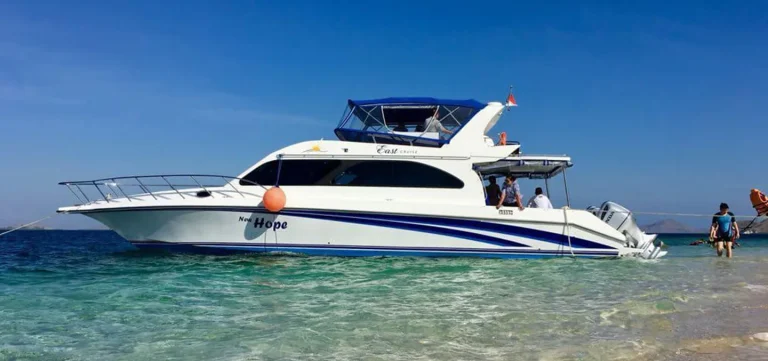
In 2027, Komodo transportation is diverse, offering visitors various options including ferries, speedboats, and eco-friendly vehicles for getting around Komodo…
Travel Journal
The Role of Local Communities in Komodo’s Tourism Industry
Local communities in Komodo play a pivotal role by engaging in sustainable tourism practices, offering authentic cultural experiences, and participating…