Safe and Responsible Komodo Escape: Park Rules, Dragon Safety and Sustainability Tips
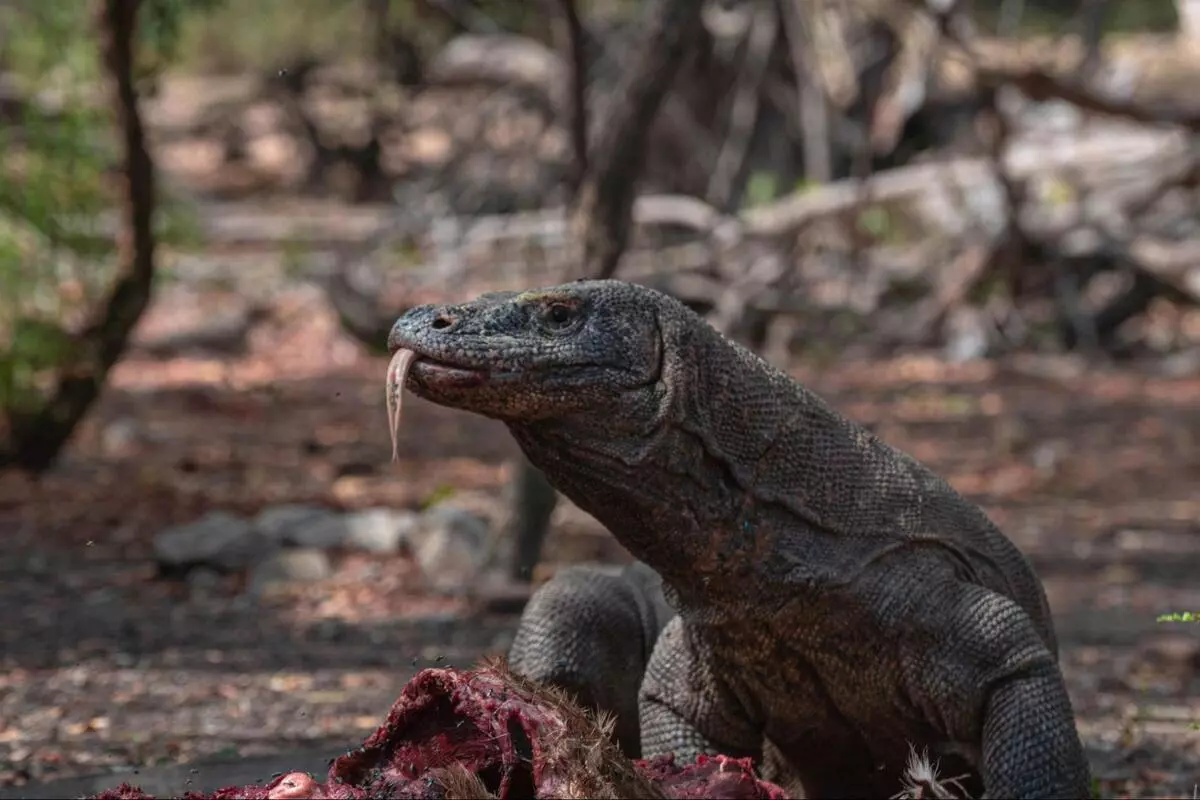
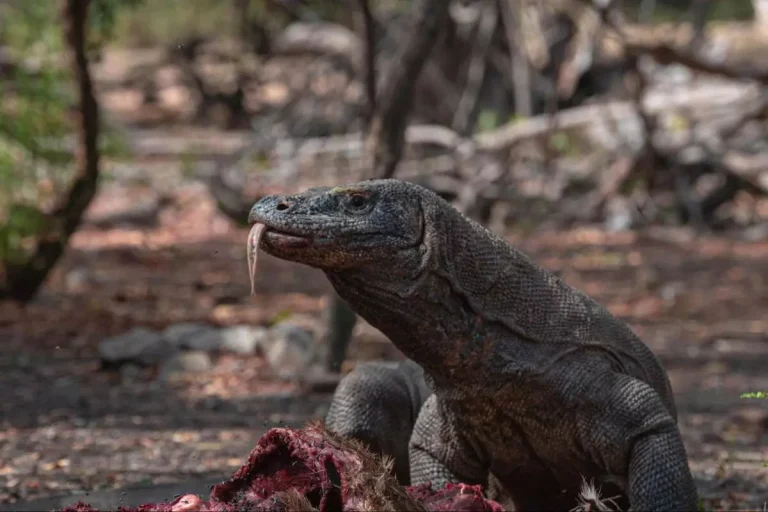
- Komodo National Park is home to over 5,700 Komodo dragons.
- Hiring a ranger is mandatory for safety and conservation.
- Responsible travel helps protect local biodiversity and supports the community.
The air is thick with the scent of salt and earth, as the rugged landscapes of Komodo National Park beckon intrepid travelers. Here, the Komodo dragon reigns supreme, a living relic of an ancient era, drawing visitors from around the globe to witness its majestic presence.
Is it safe to visit Komodo Island and see the dragons up close?
Yes, it is generally safe to visit Komodo Island and observe the dragons, provided you adhere to the established safety protocols. The Komodo dragon, the largest lizard species in the world, can be dangerous; adult males can weigh up to 90 kg (200 lbs) and measure up to 3 meters (10 feet) long. When approaching these creatures, maintaining a safe distance of at least 5-10 meters (16-33 feet) is crucial. Guided tours that comply with park regulations are the best way to experience the dragons safely while minimizing risks.
Do you have to hire a ranger in Komodo National Park?
Yes, hiring a ranger in Komodo National Park is mandatory. Rangers are not only trained to ensure visitor safety but also play a vital role in conservation efforts. The cost for hiring a ranger typically ranges from IDR 150,000 to IDR 200,000 (approximately USD 10-14) for a half-day tour. Rangers will guide you through the park, educate you about the local flora and fauna, and help enforce park rules to protect both visitors and wildlife.
What are the main rules and restrictions in Komodo National Park?
Komodo National Park has specific rules and regulations designed to protect its unique ecosystem and ensure visitor safety. Key restrictions include:
– **Stay on designated paths:** Visitors must adhere to marked trails to minimize environmental impact.
– **Maintain distance from wildlife:** Keep a safe distance from Komodo dragons and other wildlife to prevent disturbances.
– **No littering:** All waste must be taken back with you, as improper disposal can harm local wildlife.
Familiarizing yourself with these rules will enhance your experience while respecting the park’s delicate balance.
How can travelers support conservation during a Komodo escape?
Travelers can support conservation efforts during their Komodo escape in various ways. First, choosing eco-friendly tour operators that prioritize sustainable practices is essential. Additionally, contributing to local conservation organizations, such as the Komodo National Park Management, through donations or volunteer work can make a significant difference. Lastly, purchasing locally made products and services fosters economic growth in the community while promoting responsible tourism.
Understanding the ecology of Komodo National Park
Komodo National Park is not only home to the famed Komodo dragon but also hosts a rich array of biodiversity. The park spans 1,817 square kilometers (703 square miles) and includes several islands, such as Padar and Rinca, each with unique ecosystems. The diverse habitats range from savannahs to mangroves and coral reefs, housing over 1,000 species of fish and 260 species of coral. Engaging in snorkeling or diving trips in the park’s pristine waters allows visitors to appreciate this underwater world, further emphasizing the importance of its conservation.
Travel logistics and costs for your Komodo escape
Traveling to Komodo Island typically begins in Labuan Bajo, a coastal town on Flores Island, which serves as the primary gateway to Komodo National Park. Flights from Bali to Labuan Bajo average around IDR 1,500,000 (approximately USD 100) and take about 1.5 hours. Once in Labuan Bajo, visitors can choose from various boat tours ranging from budget to luxury, with prices varying significantly. A day trip can cost around IDR 1,000,000 (USD 70), while more comprehensive multi-day tours can reach IDR 4,500,000 (USD 315) or more, depending on the services included.
For more details on travel logistics and routes, visit [Indonesia Travel](https://www.indonesia.travel).
The importance of responsible travel in Komodo National Park
Responsible travel in Komodo National Park ensures that future generations can enjoy its unique biodiversity and cultural heritage. By following park rules, engaging in eco-friendly practices, and respecting local communities, travelers contribute to the preservation of both the environment and the rich traditions of the region. Sustainable tourism not only protects wildlife but also allows local economies to thrive in a manner that respects the delicate balance of the ecosystem.
For additional insights on sustainable practices, check out [Sustainable Tourism](https://www.unesco.org).
Travelers seeking to learn more about the ecological significance of the islands can explore resources provided by [Wikipedia](https://www.wikipedia.org).
For further information on planning your Komodo escape, contact the team to discuss arrangements tailored to your interests and preferences.
Planning specifics? See private komodo escape boutique boats phinisi cruises and charter or komodoescape pillar2.
Keep Reading

Places
Labuan Bajo Travel Guide: Gateway Town for Komodo Escapes and Flores Adventures
Labuan Bajo is worth staying in before a Komodo tour for its unique blend of local culture, stunning views, and…
Places
Komodo Escape Photography Guide: Best Viewpoints, Drone Rules and Sunset Spots
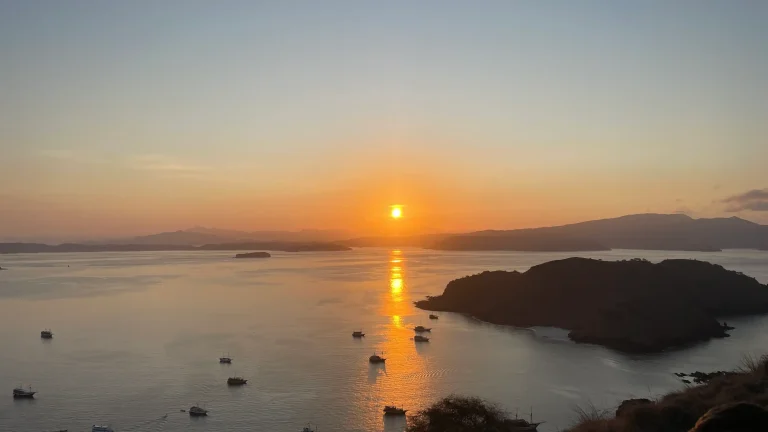
The Komodo Escape Photography Guide provides essential tips for capturing the natural beauty of Komodo National Park, including the best…
Places
Rinca or Komodo Island: Where Should You See the Dragons?
Both Rinca and Komodo Island offer ranger-guided walks with near-guaranteed dragon sightings. Rinca (Loh Buaya) is closer to Labuan Bajo…