
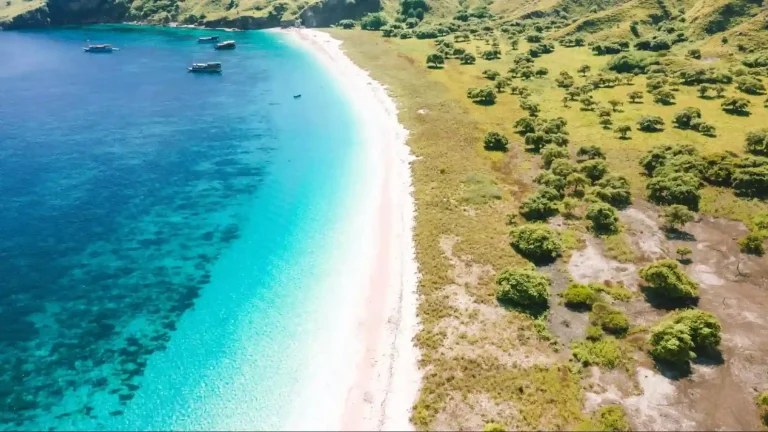
The Impact of Climate Change on Komodo’s Ecosystem
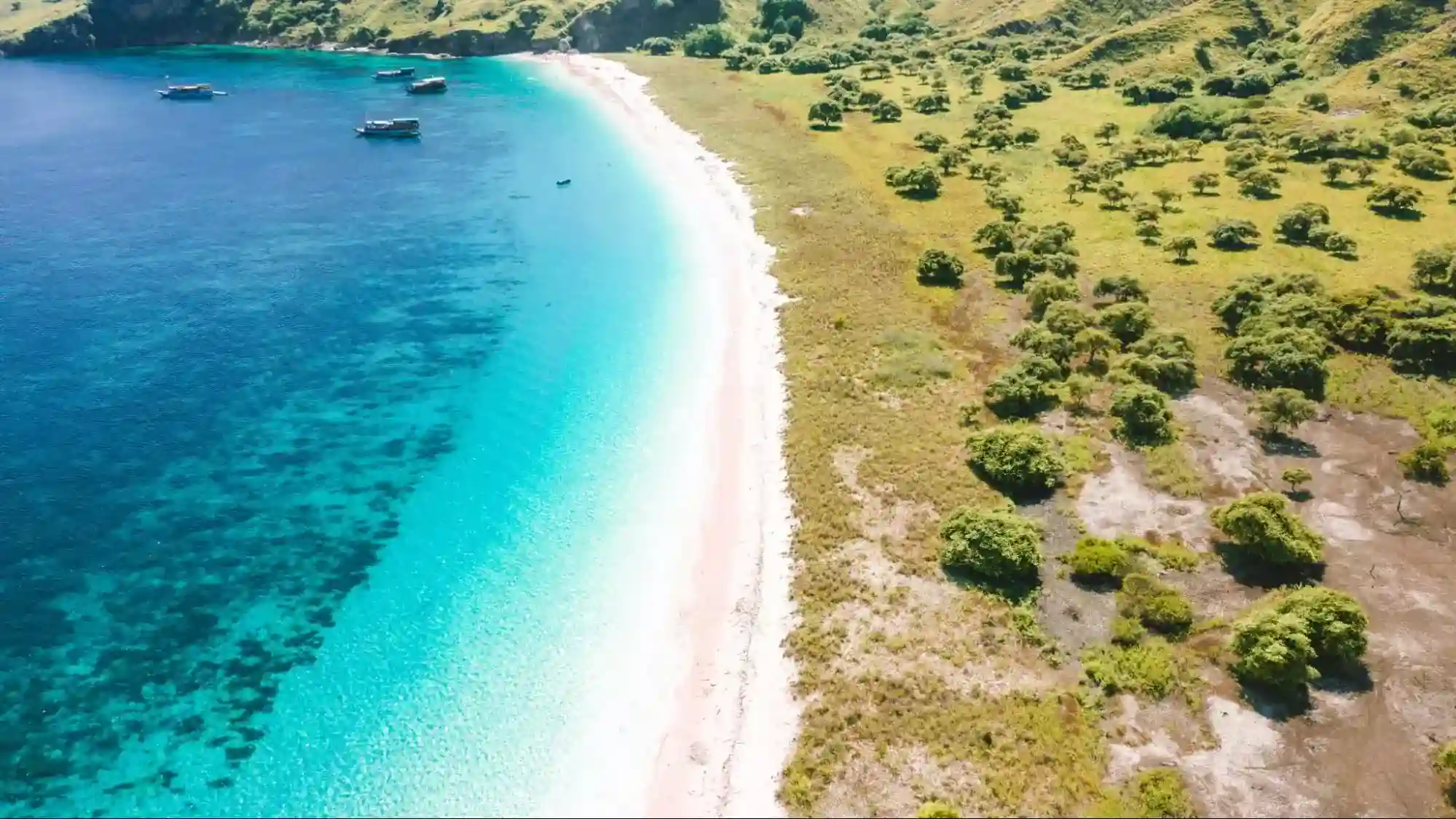
Climate change in Komodo is significantly affecting its delicate ecosystem, leading to disruptions in biodiversity and habitat loss. This phenomenon threatens the survival of unique species, including the iconic Komodo dragon, and complicates local conservation efforts.
Climate Change Komodo: A Pressing Concern
Climate change poses a critical threat to the Komodo region, an area renowned for its unique biodiversity and delicate ecosystems. Rising temperatures, projected to increase by 1.5 to 2 degrees Celsius over the next few decades, and changing weather patterns are altering habitats, disrupting species interactions, and leading to the degradation of natural resources. The Komodo archipelago, consisting of several islands including Komodo, Rinca, and Padar, is particularly vulnerable due to its geographical configuration and climate-sensitive ecosystems. These changes challenge both the wildlife and the indigenous communities that depend on the land for their livelihoods. The local economy, heavily reliant on tourism and fishing, is at risk as these industries face the impacts of environmental degradation and resource scarcity.
Understanding the Komodo Environmental Impact
The environmental impact of climate change on Komodo is multifaceted. Increasing sea levels, which are expected to rise by 26 to 82 centimetres by the end of the century, threaten coastal habitats, leading to erosion and habitat loss. Warming seas, with temperatures rising at an average of 0.13 degrees Celsius per decade, impact coral reefs, which are essential for marine biodiversity and act as a barrier protecting the islands from storm surges. Coral bleaching events have become more frequent, affecting the reefs’ ability to support marine life. Additionally, shifting precipitation patterns, with decreased rainfall during the wet season and prolonged dry spells, alter freshwater availability, impacting terrestrial life forms such as the region’s flora and fauna. The disruption of these ecosystems can lead to the loss of species that are endemic to the region, such as the famed Komodo dragon, which relies on specific environmental conditions for survival.
Conservation Efforts Komodo: Mitigating the Crisis
Conservation efforts in Komodo are crucial to mitigating the effects of climate change. Initiatives focus on habitat restoration, sustainable tourism, and community engagement. Local authorities, alongside international conservation organisations, are prioritizing the protection of critical habitats through measures such as reforestation projects and the establishment of marine protected areas. Sustainable tourism practices are being promoted to ensure that the influx of visitors does not exacerbate environmental pressures. For instance, limiting the number of tourists allowed in sensitive areas and promoting eco-friendly activities are strategies being employed. Community engagement is also a key component, with programs aimed at educating locals about sustainable practices and the importance of conservation. For more detailed guidance on engaging with these efforts, explore our guide on choosing the right Komodo escape operator.
Strategies for Adaptation and Resilience
- Promoting sustainable tourism to minimize environmental footprints. This includes initiatives such as eco-certifications for tour operators and the development of green infrastructure to support eco-friendly travel.
- Implementing conservation education programs for local communities. These programs aim to raise awareness about climate change impacts and encourage sustainable practices in daily life and local industries.
- Strengthening policies to protect endangered species. This involves updating legal frameworks to enhance protection measures and increase penalties for illegal activities such as poaching and habitat destruction.
- Enhancing ecosystem resilience through habitat restoration projects. Efforts such as mangrove replanting and coral reef rehabilitation are vital to restoring natural barriers and supporting biodiversity.
These strategies aim to foster an environment where both humans and wildlife can thrive amidst changing conditions. Collaborative efforts between government bodies, NGOs, and local communities are essential to implement these strategies effectively.
2027 Note: Progress and Challenges
As of 2027, significant progress has been made in understanding the specific impacts of climate change on Komodo’s ecosystems. Research has led to better predictive models and targeted conservation strategies. However, challenges remain, particularly in balancing economic development with environmental conservation. The tourism sector, a significant contributor to the local economy, faces the challenge of adapting to sustainable models while maintaining profitability. Continuous research and adaptive management are vital to sustaining these efforts. Monitoring and data collection have been enhanced to provide real-time insights into environmental changes, aiding in the timely implementation of adaptive measures. For insights into the latest conservation strategies, visit our overview of Komodo’s conservation landscape.
FAQ
How is climate change affecting the ecosystem in Komodo?
Climate change impacts the Komodo ecosystem by altering habitats, affecting species interactions, and threatening biodiversity, including the survival of the Komodo dragon. Rising temperatures and changing precipitation patterns disrupt the natural balance, affecting both terrestrial and marine environments.
What measures are being taken to protect Komodo’s environment?
Efforts include habitat restoration, sustainable tourism practices, and community conservation education to mitigate climate change effects. These measures are designed to protect critical habitats, promote biodiversity, and ensure sustainable livelihoods for local communities.
Why is the Komodo dragon at risk?
The Komodo dragon is at risk due to habitat loss, prey scarcity, and environmental changes driven by climate change, affecting its natural habitat and food sources. Conservation efforts focus on protecting its habitat and ensuring a stable prey population to support its survival.
Keep Reading
Travel Journal
A Day in the Life on Komodo Island: 2027 Edition
Life on Komodo Island in 2027 is a harmonious blend of tradition and modernity, where daily life intertwines with the…
Travel Journal
Komodo Transportation 2027: Navigating Your Travel Options
In 2027, Komodo transportation is diverse, offering visitors various options including ferries, speedboats, and eco-friendly vehicles for getting around Komodo…

Travel Journal
The Role of Local Communities in Komodo’s Tourism Industry
Local communities in Komodo play a pivotal role by engaging in sustainable tourism practices, offering authentic cultural experiences, and participating…