Snorkelling & Diving Komodo Escape: Best Reefs, Sites and Seasons for Clear Water
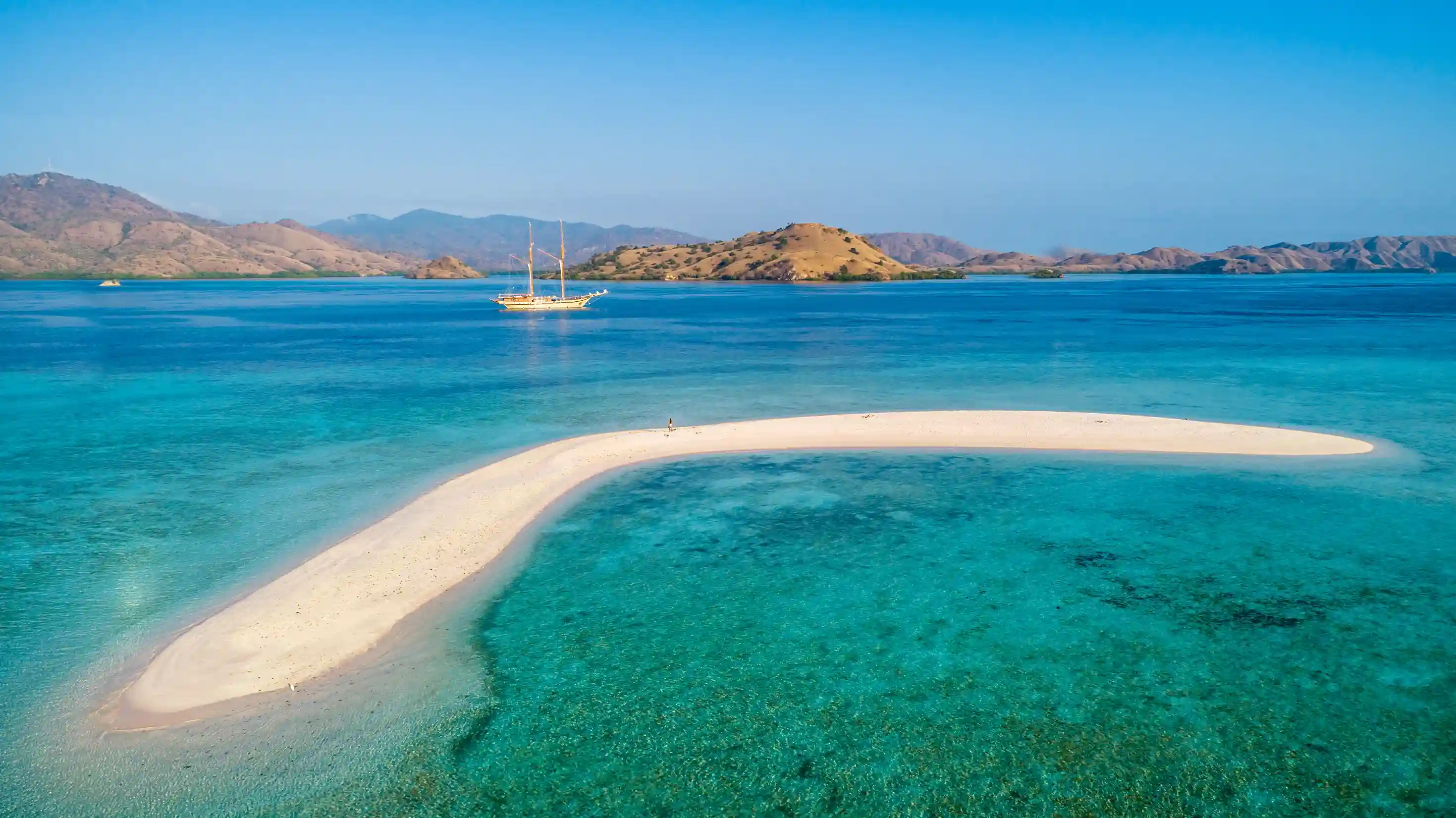
- Clear waters year-round with visibility often exceeding 30 meters.
- Rich biodiversity featuring species like sharks, turtles, and mantas.
- Accessible day trips from Labuan Bajo, with prices ranging from $50 to $150 per person.
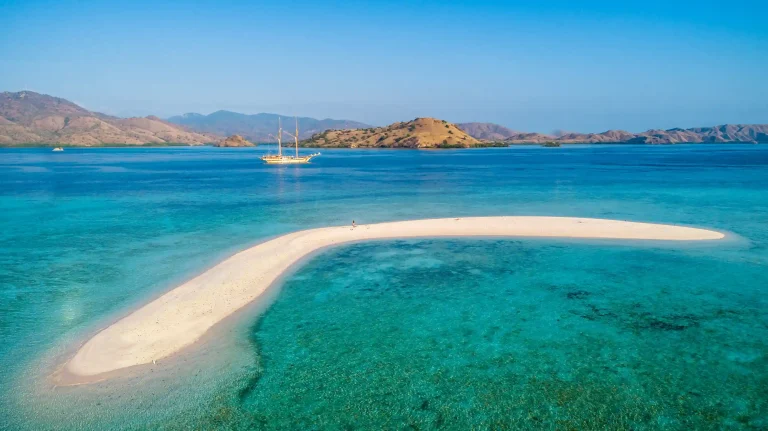
The waters around Komodo National Park pulse with life, where colorful coral gardens meet the vibrant blue sea. Each snorkel and dive unveils a new chapter in the underwater narrative of this UNESCO World Heritage site.
Is Komodo good for beginner snorkelers and divers?
Yes, Komodo is suitable for beginner snorkelers and divers. The park features numerous calm and shallow areas ideal for those starting their underwater journey. Popular spots like Pink Beach and Kanawa Island have gentle currents and vibrant marine life, providing an excellent introduction to the ocean’s depths. Beginner-friendly operators in Labuan Bajo offer guided tours that include safety briefings and equipment rentals, ensuring a secure experience. Prices for a komodo snorkeling day trip typically range from $50 to $100 USD. Additionally, dive schools provide introductory courses, allowing newcomers to explore the underwater world with certified instructors, often at a cost of around $300 to $500 USD for a two-day beginner course, which includes equipment and training.
Where are the best snorkelling spots in Komodo National Park?
The best snorkeling spots in Komodo National Park include renowned locations such as Manta Point, Crystal Rock, and Pink Beach. Manta Point, located 3 nautical miles from Nusa Penida, is famous for its resident manta rays, especially during the months of December to March. Here, snorkelers can often observe these gentle giants gliding gracefully through the waters. Crystal Rock, known for its vibrant coral and diverse fish species, is located approximately 15 km from Labuan Bajo and offers excellent visibility, making it ideal for underwater photography.
Pink Beach, on Komodo Island, features soft pink sand and clear shallow waters, perfect for family-friendly snorkeling experiences. Visitors can expect to see an abundance of tropical fish, sea turtles, and even the occasional reef shark. These sites are accessible via day trips from Labuan Bajo, which typically include snorkeling gear and round-trip transportation for around $70-$120 USD per person.
When is manta season in Komodo for snorkeling?
Manta season in Komodo generally runs from December to March. During this period, the waters are warmer and plankton-rich, attracting manta rays to Manta Point for feeding. Snorkelers have the best chance of encountering these majestic creatures, often witnessing them in groups. As the season progresses, operators frequently report sightings of up to 20 mantas in a single trip. While mantas can be seen year-round, their presence peaks during the warmer months, making this the ideal time for those hoping for a close encounter. Tours targeting manta sightings usually depart from Labuan Bajo in the morning, ensuring optimal conditions for snorkeling.
Do you need to be a strong swimmer to snorkel in Komodo?
No, you do not need to be a strong swimmer to snorkel in Komodo, but basic swimming skills are recommended. Many tour operators provide life jackets and flotation devices, making it easy for beginners to feel secure while exploring the underwater landscape. Guided tours often include safety instructions and a thorough briefing, ensuring that all participants are comfortable in the water. While the currents can vary by location and time of year, many of the best snorkeling spots offer sheltered waters with minimal wave action, ideal for less experienced snorkelers. Additionally, traveling with a buddy or guide enhances safety and enjoyment for those who may be uncertain in the water.
Comparing Snorkeling and Diving in Komodo
Snorkeling and diving in Komodo each present unique experiences tailored to different skill levels and interests. Snorkeling offers a more accessible way to explore the reefs, requiring minimal training and equipment. It’s an ideal option for families and those who prefer surface-level exploration. On the other hand, diving allows for deeper immersion into the marine ecosystem, with the opportunity to visit stunning underwater landscapes not visible from the surface.
Day trips for snorkeling generally range from $50 to $150 USD, while introductory dive courses cost approximately $300 to $500 USD for two days, including necessary equipment and training. For experienced divers, guided dives can be booked for around $100 to $200 USD per dive, depending on the location and depth. Ultimately, the choice between snorkeling and diving hinges on personal preference, with both activities providing incredible opportunities to witness Komodo’s rich underwater biodiversity.
Planning Your Komodo Snorkeling or Diving Trip
Planning a trip to Komodo for snorkeling or diving involves several considerations to ensure an enjoyable experience. The gateway to Komodo National Park is Labuan Bajo, located on Flores Island. Travelers typically reach Labuan Bajo via flights from Bali or Jakarta. From there, numerous tour operators offer day trips and multi-day excursions into the park.
Accommodations in Labuan Bajo range from budget hostels to upscale resorts, with prices typically between $20 to $200 USD per night. For those seeking a more immersive experience, liveaboard options are available, allowing for extended diving and snorkeling adventures over several days. These liveaboards often promote sustainable tourism practices, ensuring the preservation of Komodo’s natural beauty while providing comfortable accommodations on the water.
Environmental Considerations and Conservation Efforts
As visitors flock to Komodo National Park for snorkeling and diving, it is essential to consider the environmental impact of tourism. The park is home to diverse marine biodiversity, including numerous endangered species. Efforts are underway to protect these ecosystems through various conservation initiatives, including coral restoration projects and sustainable tourism practices.
Travelers are encouraged to choose operators that prioritize eco-friendly practices, such as responsible waste management and minimal disturbance to marine life. The Indonesian government, in collaboration with various NGOs, is actively working to sustain the health of the marine environment in Komodo National Park. By supporting sustainable tourism, visitors contribute to the ongoing preservation of this remarkable ecosystem for future generations.
For more information on snorkeling and diving in Komodo National Park, consider visiting authoritative sources such as [PADI](https://www.padi.com) for diving certifications and safety tips, and [UNESCO](https://whc.unesco.org/en/list/592) for insights into the park’s World Heritage status.
For those eager to explore the vibrant underwater world, [contact the team](https://www.komodoescape.com/contact) to plan your next adventure in Komodo National Park.
Planning specifics? See komodo escape from bali best short getaways routes and packages via or Komodo Escape.
Keep Reading
Places
Labuan Bajo Travel Guide: Gateway Town for Komodo Escapes and Flores Adventures
Labuan Bajo is worth staying in before a Komodo tour for its unique blend of local culture, stunning views, and…
Places
Komodo Escape Photography Guide: Best Viewpoints, Drone Rules and Sunset Spots
The Komodo Escape Photography Guide provides essential tips for capturing the natural beauty of Komodo National Park, including the best…
Places
Rinca or Komodo Island: Where Should You See the Dragons?
Both Rinca and Komodo Island offer ranger-guided walks with near-guaranteed dragon sightings. Rinca (Loh Buaya) is closer to Labuan Bajo…